
Sf6 Density Relay Principle Introduction
Search optical fiber, connectivity, cable management and network infrastructure references.
- Density
- Relay
- Principle
Articles and technical references
7 on this page-
Working principle of three-stage relay protection
The various protective functions available on a given relay are denoted by standard. For example, a relay including function 51 would be a timed overcurrent protective relay. An overcurrent relay is a type of protective relay which operates when the load current exceeds a...
-
High Voltage Busbar Relay Protection Principle
The high-impedance differential relay scheme is one popular method we use for busbar protection. Busbars have typically been left without dedicated protection, from the following reasons: It is a fact that the risk of a short circuit happening on modern metal clad equipment...
[PDF Version]
-
What is the relay protection principle of the device
The various protective functions available on a given relay are denoted by standard. For example, a relay including function 51 would be a timed overcurrent protective relay. An overcurrent relay is a type of protective relay which operates when the load current exceeds a...
[PDF Version]
-
Pw relay protection
Electromechanical relays can be classified into several different types as follows: "Armature"-type relays have a pivoted lever supported on a hinge or knife-edge pivot, which carries a moving contact. These relays may work on either alternating or direct current, but for...
-
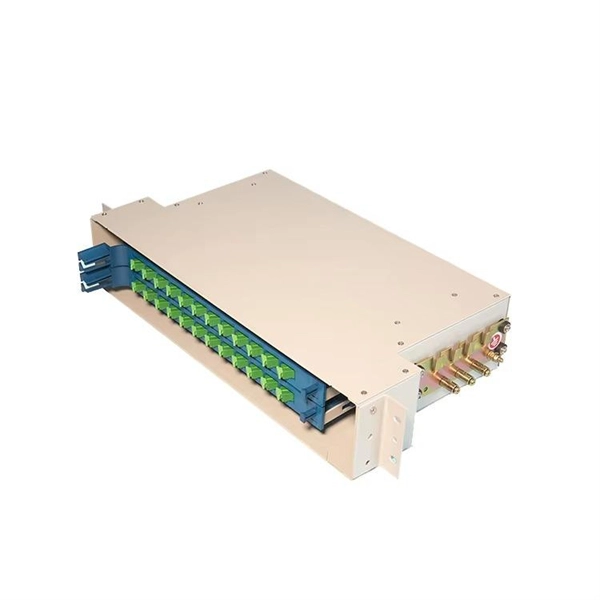
Qualification for Relay Protection Testing
IEEE offers the Certified Relay Technician (CRT) certification, which validates the expertise of individuals in the areas of relay testing, maintenance, and commissioning. The testing and verification of protection devices and arrangements introduces a number of issues. This...
[PDF Version]
-
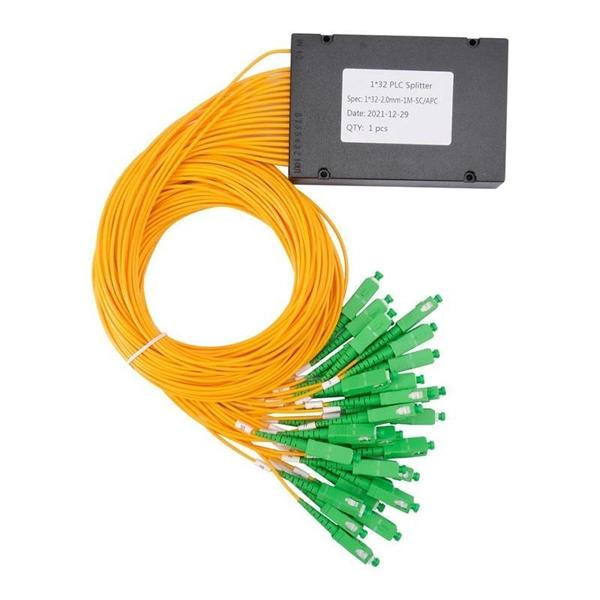
Relay protection tester inspection cycle
Protective circuit functional testing, including lockout relay testing, must take place immediately upon installation, every 2 years thereafter, and upon any change in wiring. The testing and verification of relay protection devices can be divided into four groups: Type tests...
-
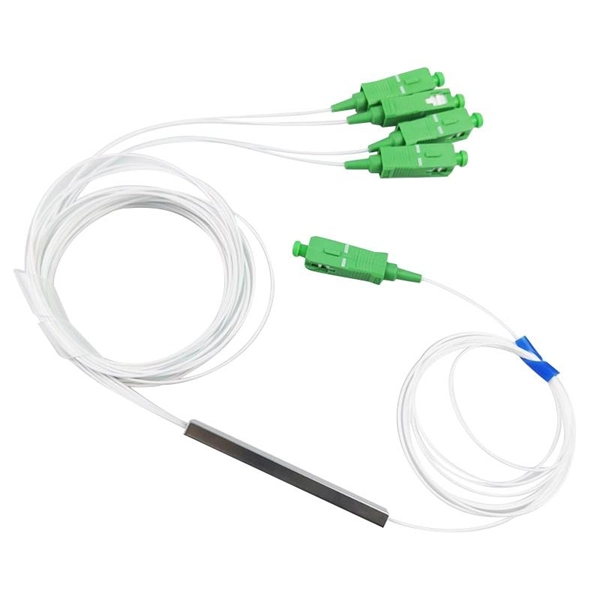
SEL Relay Protection Device Verification
Verify baud rate settings and other communications parameters and check for cabling errors. Check if the port is set to LMD protocol and verify the address. Verify the 87CH FAIL. This application note explains the steps required for configuring a test for protection devices...
[PDF Version]