
Technical notes
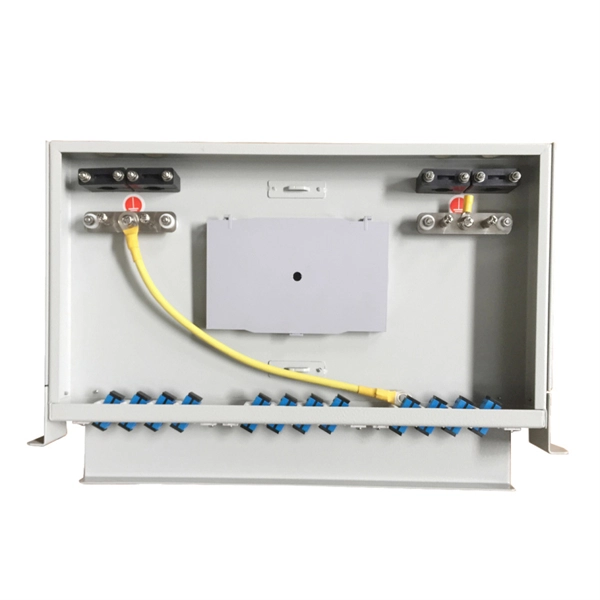
Step-by-Step Busbar Installation Guide | Artizono
Attach the stripped wires to the busbar using bolts or clamps, ensuring connections are tight and secure. Follow the manufacturer''s torque specifications to avoid over-tightening or under
Busbar 101
With busbar power, there is less bending, drilling, and tapping copper in preparation for deployment, and panels utilizing busbar can be mounted and installed in a fraction of the time compared to block-and
How are bus bars connected?
Learn about the different methods of connecting bus bars and how they are used in electrical systems. Get insights into the importance of proper bus bar connections.
How to Connect a Busbar
Learn how to connect a busbar correctly for safe and efficient power distribution. This guide explains what a busbar is, types of electrical bus bars, copper and aluminum busbars, flexible
A Comprehensive Guide to Jointing Busbars: Which Method is Best?
This process, called “jointing,” may be needed to create a longer busbar from shorter, more manageable pieces; or to create a T-shaped tap-off connection from the main busbar.
Busbar Design in Switchgear: Key Principles & Best
While busbars generally offer higher current-carrying capacity, better heat dissipation, and easier branching, cables can still be advantageous in small
Copper for Busbars
It is usually necessary to joint busbars on site during installation and this is most easily accomplished by bolting bars together or by welding. For long and reliable service, joints need to be carefully made
MCCB for Busbar Systems: Connection and Protection Guide
A comprehensive technical guide for connecting MCCBs to busbar systems. Learn proper installation methods, critical torque specifications, surface preparation, and protection
Busbar Power Connectors/Distribution | High Current Electrical Busbar
These board-to-busbar connectors are designed to meet OCP V3 power distribution architecture standards and are ideal for use in power shelves, BBUs, server/storage sleds, EV
Layout 1
Feeder Busbar Trunking: Busbar trunking with no tap-off outlets. Angle Unit: Busbar trunking, which enables the system to change direction. End Feed Unit [feeder BTU]: Busbar trunking unit as
Step-by-Step Busbar Installation Guide | Artizono
Connection Components: These include adapters and clamps that facilitate secure connections between busbars and incoming/outgoing cables. Supports and Brackets: These
Busbar Design: How to Spare Nanohenries
Abstract— This paper intends to compare the many different solutions available to design a busbar interconnection. Starting from a single copper plate and going to multilayer busbars, the influence of
Busbar Power Distribution Explained: Benefits, Types, and Use Cases
Discover the benefits, types, and applications of busbar power distribution systems. Learn why busbars offer efficient, safe, and space-saving electrical solutions.
8US Busbar Systems
2 The use of busbar systems with their versatile rail-adaptable connection, switching and installation devices is an ideal and cost-effective electrotechnical enhancement of modern distribution boards
Shaping and connecting rigid busbars in low voltage switchgear
Busbars – machining, bending and shaping The busbars constitute the real “backbone” of every low voltage switchgear. The main busbar and branch busbars supply and distribute the
Terminal Bus Bar: Sizing, Standards & Applications
Many electrical designers prefer terminal bus bars for high-current distribution because they reduce resistance and heat rise compared with bundled cables. In contrast with terminal blocks
Busbar Fabrication: Techniques for Efficient Assembly
1. Scope This document specifies the methods and requirements for busbar fabrication and assembly. This document is applicable to the fabrication and assembly of busbars for high and
The Ultimate Guide to Electrical Busbars [July 2026 ]
Discover everything about electrical busbars—types, materials, advantages, and applications. Simplify power distribution with efficient, safe, and cost-effective solutions!
Related Video Reference
This video was associated with the source search result. Verify technical details against current product documentation and project requirements.