
Technical notes
Fiber Optic Pigtails: Uses & Differences from Patch Cords
What Is a Fiber Optic Pigtail? A fiber optic pigtail is a short length of optical fiber —typically 0.5m to 2m—that has a factory-terminated connector on
The Complete Guide to Pigtail Fibers: Simplifying
Whether you''re streaming data across continents or setting up a home theater, pigtail fibers play a critical role in ensuring seamless connectivity.
Comprehensive Guide to Fiber Optic Pigtails | Gezhi Photonics
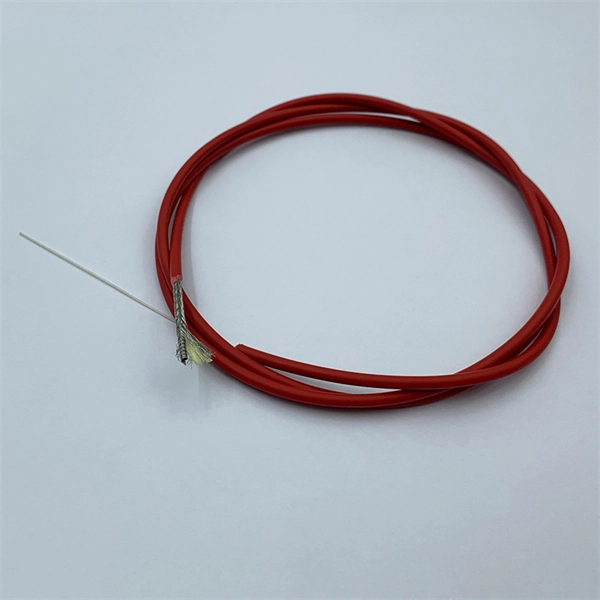
A fiber optic pigtail is a short, usually unjacketed, optical fiber cable that has a factory-installed connector on one end and a length of exposed fiber at the other.
Single mode & Multimode Fiber Pigtails for Sale
FS offers single mode & multimode fiber pigtails with tight buffer design for easy fusion or mechanical splicing. Quality assurance by 100% end-face, IL & RL testing.
Fiber Optic Pigtail: Types, Splicing Guide, Specs & Price
A fiber optic pigtail is a short fiber cable with a factory-installed connector on one end and a bare fiber end on the other. The bare end is stripped, cleaned, and fusion-spliced to a trunk or
The Ultimate Guide to Fiber Pigtail
Core Diameter: Single Mode Fiber Pigtails have a smaller core diameter, typically 9 microns, which allows only one mode of light to propagate.
Guide to Fiber Optic Pigtails: Introduction, Applications
Fiber optic pigtails are a cornerstone in the architecture of modern communication systems. Their role, although often understated, is critical in
The Complete Guide to Pigtail Fibers: Simplifying
IntroductionIn the world of fiber optics, where speed and precision reign supreme, pigtail fibers are the unsung heroes bridging the gap between
What Is Fiber Optic Pigtail and How to Splice It?
Fiber Optic Pigtail Splicing: Easy and Fast Fiber Termination The quality of fiber pigtail is typically high because the connectorized end is attached in the factory, making it more accurately
Optic Fiber Pigtails
Optic Fiber Pigtails Optic Fiber Pigtails D-Link offers quality optical fiber pigtails which are single ended with connectors. D-Link pigtails come with good end-face geometry, full standard optical
How to choose fiber optic pigtails?
Fiber optic pigtails are used to terminated fiber optic cables via fusion splicing or mechanical splicing as shown in the picture below. The end of the pigtail is
Understanding Fiber Pigtail Connectors: Types, Installation, Advantages
Discover the types, installation process, and advantages of fiber pigtail connectors. Learn about single-mode and multimode fiber pigtails.
What Is a Fiber Optic Pigtail? Full Guide to Pigtail Fiber
Comprehensive guide to fiber optic pigtails: Explore types, pigtail connectors, fiber counts, and applications for FTTH, data centers, industrial
Understanding Fiber Optic Pigtails: Types and Classifications Simplified
Fiber Optic Pigtails are favored for their low insertion loss, high return loss, good interchangeability, and repeatability, making them very convenient to use. In general, multimode
Fiber Pigtails | Leviton Network Solutions
Leviton fiber optic pigtail kits are for mechanical or fusion splicing applications, and are available in a range of multimode and single-mode fibers.
Fibre Pigtails
Fibre Pigtails are terminated with fibre optic connectors at only one side of the cable, while leaving the other side to be terminated via fusion splicing.
Fiber pigtails: buy online at EFB-Elektronik
Fiber pigtails are short pieces of fiber with a connector (usually SC, LC, ST or similar) on one end and an exposed fiber on the other. They are used for splicing
What Are Fiber Optic Pigtails? Types, Uses, and How to Choose the
These small but critical components play a major role in ensuring reliable, high-speed data transmission across fiber networks. In this guide, we''ll break down what fiber optic pigtails are,
Related Video Reference
This video was associated with the source search result. Verify technical details against current product documentation and project requirements.