
Substation Components Part 5 Busbar Configurations
Search optical fiber, connectivity, cable management and network infrastructure references.
- Substation
- Components
- Part
Articles and technical references
9 on this page-
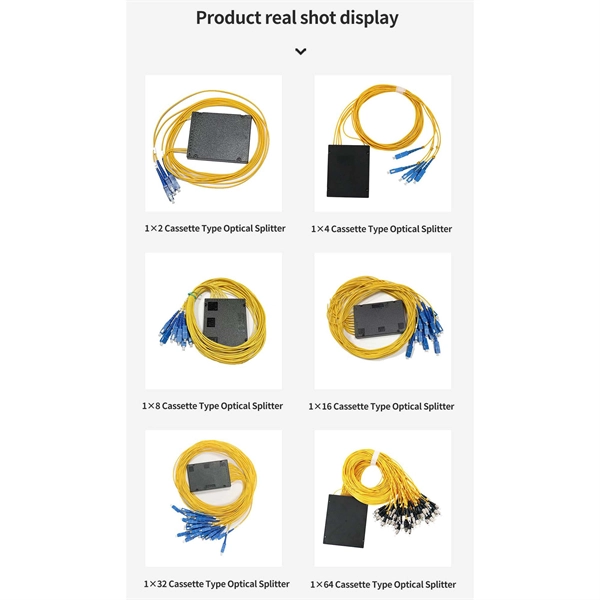
Substation busbar voltage
The IEC 61439 standard applies to busbar assemblies that will be installed in electrical applications with a voltage rating up to 1000 V (for AC) and 1500 V (for DC). The busbar configuration lies at the core of these tradeoffs. The “right” topology depends on voltage level...
[PDF Version]
-
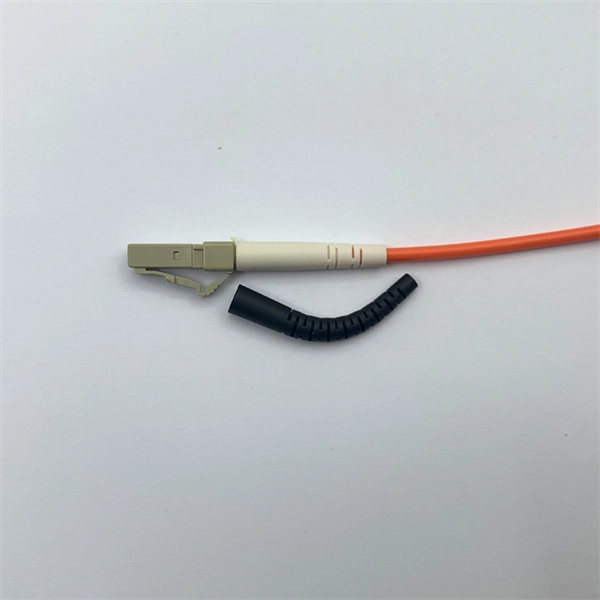
Size of Low-voltage Enclosed Busbar
For busbar sizing, the primary references are IEC 61439 (for low-voltage switchgear and controlgear assemblies) and IEC 60287 (for current-carrying capacity of cables). Behind every reliable low voltage switchgear lineup is a design balance that is harder than it first...
[PDF Version]
-
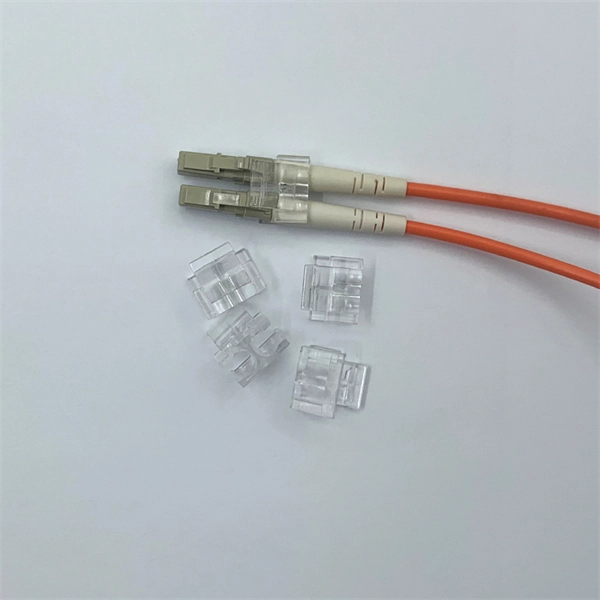
Aluminum busbar of high-voltage switchgear
Aluminum busbars are lighter and more cost-effective. However, they require a larger size to carry the same current as copper and need careful joint design to avoid connection issues. They serve as the central connection points in distribution systems (located in switchgear...
-
Grounding busbar welding joint
Clamped joints are formed by overlapping the bars and applying an external clamp around the overlap. Since there are no bolt holes, the current flow is not disturbed resulting in lower joint resistance. The.
-
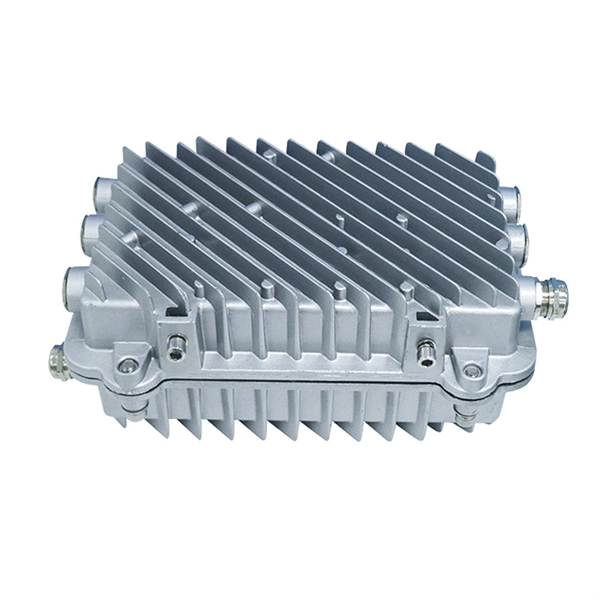
Core upstream components of optical modules
At the heart of every optical transceiver lie three essential components, often called the “Three Pillars” of optical communication: Laser — generates light. Modulator — encodes data onto the light. Whether in 5G base stations, hyperscale data centers, or long-haul telecom...
-
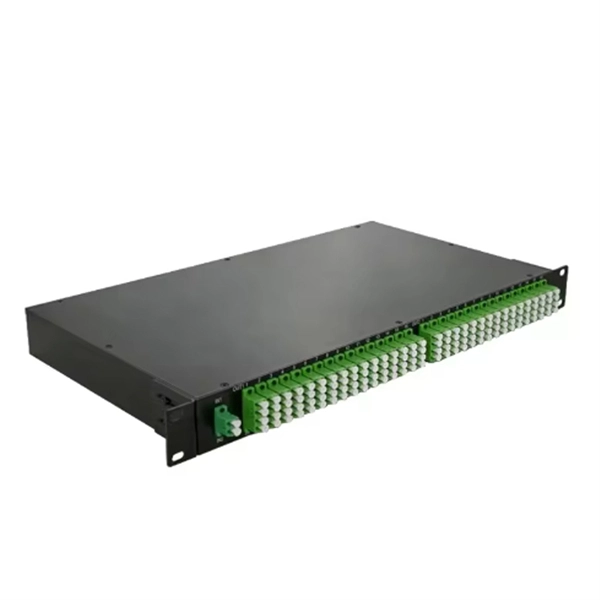
What is the function of the AC busbar
Busbars function as central conductors that collect and distribute electrical power within a system. They are designed to carry high current loads with low resistance, ensure efficient voltage distribution, and provide a compact, reliable alternative to cables in switchgear...
-
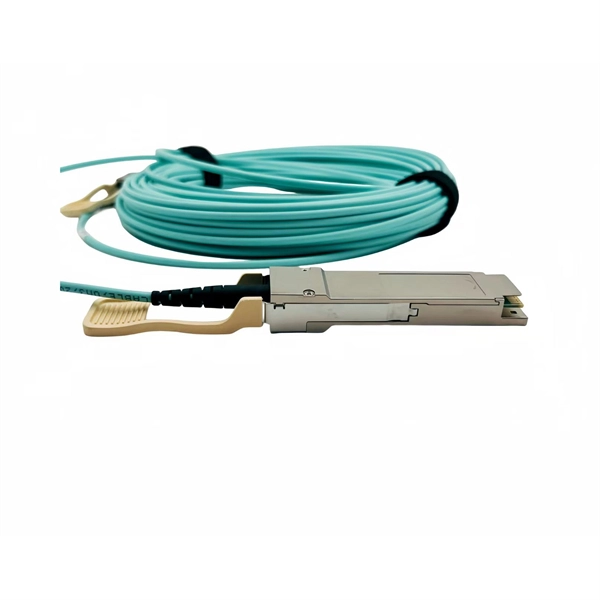
Busbar Wiring of Distribution Cabinet
Optimize Your Distribution Layout with a Custom Busbar Solution Even with busbars, good engineering practice is needed. Key guidelines include: Follow Standards: Design busbar assemblies per IEC 61439 or relevant local codes. Ensure clearances are maintained. Why Cabinet...
[PDF Version]
-
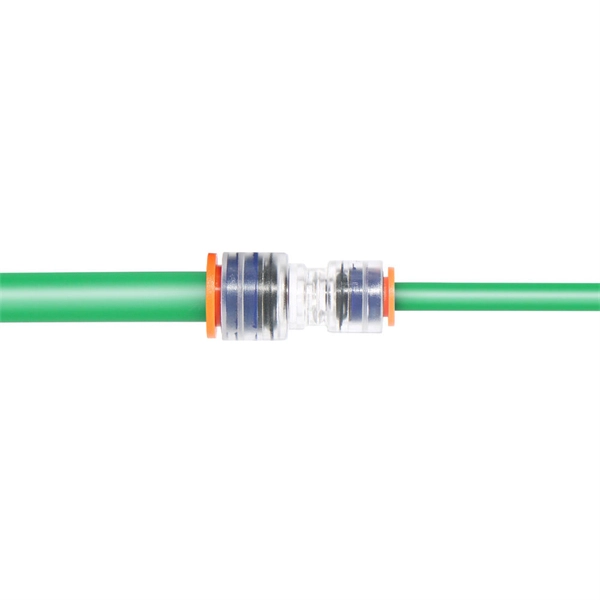
Why are relay protection configurations necessary in substations
At the core of a modern substation lies the protection relay: an intelligent electronic device (IED) that plays a critical role in maintaining the stability of the power grid by continuously monitoring voltage, current, frequency, and phase angle. Effective relay protection...
[PDF Version]
-
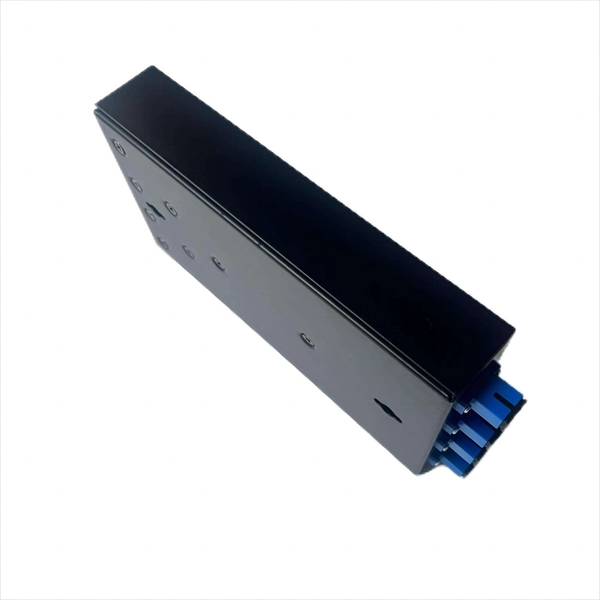
Busbar parameters of the distribution cabinet
The key physical parameters that govern conductor sizing are: material (copper vs. aluminum), cross-sectional area, surface finish (bare vs. Traditional panel wiring systems — referred to as block-and-cable systems — are designed around large power distribution blocks (PDBs)...
[PDF Version]