Skip to content
QK FIBERSystems Send a project enquiry
Reference library

Switch Aggregation Type

Published
  • Switch
  • Aggregation
  • Type
Source context

AI source overview

Aggregation switches consolidate traffic from multiple access switches, providing high-bandwidth, scalable, and manageable connections to core network layers.

Overview of Aggregation Switches

An aggregation switch serves as an intermediary between access switches and core switches, consolidating traffic from multiple devices and ensuring efficient data flow across the network. They are essential in enterprise networks, data centers, and campus environments to reduce bottlenecks, improve performance, and simplify management. Aggregation switches can operate at Layer 2 (switching) or Layer 3 (routing) depending on network requirements.

Key functionalities include: Switching and Routing: Forwarding data based on MAC addresses or IP addresses.

VLA

N Management: Segmenting networks for security and performance. Quality of Service (QoS): Prioritizing critical traffic. Security: Implementing ACLs and other access controls.

Link Aggregation: Combining multiple physical links into a single logical link for higher bandwidth and redundancy.

Types of Aggregation Switches

Layer 2 Aggregation SwitchesPrimarily handle switching within VLANs. Aggregate traffic from access switches without performing routing. Suitable for smaller networks or when routing is handled at the core layer.

Often support PoE for powering devices like IP phones and wireless access points. Layer 3 Aggregation SwitchesPerform both switching and routing functions. Can route traffic between VLANs and subnets, reducing the load on core switches.

Ideal for larger networks or data centers requiring high throughput and advanced routing features.

High-

Density Aggregation Switches

Feature a large number of ports to connect multiple access switches. Designed for environments with heavy traffic, such as enterprise campuses or data centers. Examples include Cisco Nexus 9500, Juniper QFX10000, and Arista 7500R.

Smart Aggregation Switches

Integrate advanced management features, PoE, and converged networking capabilities. Provide centralized monitoring and simplified network management. Often used in medium to large office deployments.

Link Aggregation in Aggregation Switches

Link aggregation (or port trunking) combines multiple physical connections into a single logical link, increasing bandwidth and providing redundancy. Protocols include: LACP (Link Aggregation Control Protocol): Dynamically manages aggregated links. Static Link Aggregation: Manually configured, suitable for fixed topologies.

This ensures high availability and failover capabilities, allowing traffic to continue even if one physical link fails.

Benefits of Aggregation Switches

Improved Performance: Consolidates traffic and reduces latency. Enhanced Redundancy: Aggregated links provide failover paths. Simplified Management: Centralized control over multiple access switches.

Scalability: Supports network growth without requiring direct connections from every access switch to the core. Aggregation switches are a critical component in modern network design, bridging access and core layers while providing high-speed, reliable, and manageable connectivity. Choosing the right type depends on network size, traffic load, and required features such as Layer 3 routing, PoE, and link aggregation support.

Research context

Reference summary

Core, Aggregation, or Access Switches? Choose the Discover the crucial differences between core, aggregation, and access switches. Find out which type can.

From reference to enquiry

Questions for your project

Use these editorial prompts alongside the linked excerpts. They identify items to confirm for your project.

Technical notes

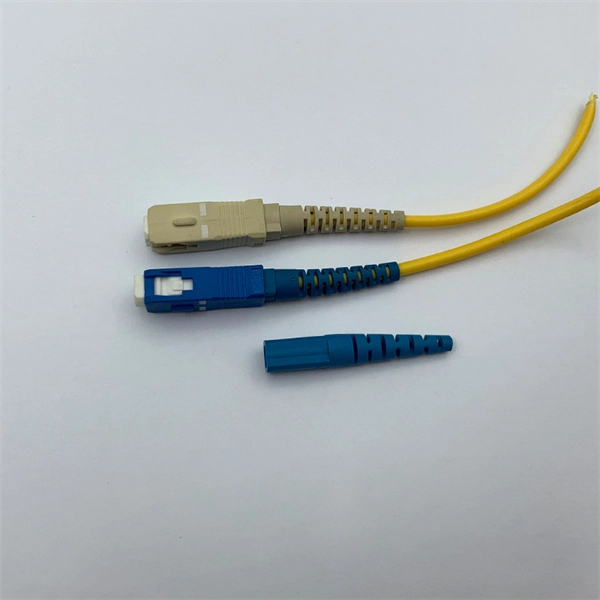
Illustrative equipment image

Core, Aggregation, or Access Switches? Choose the

Discover the crucial differences between core, aggregation, and access switches. Find out which type can best transform your network''s

What is an Aggregate Switch?

An aggregate switch is a high-capacity network switch that consolidates connections from multiple access switches, acting as a central point for managing network traffic and providing

Link aggregation

Link aggregation increases total bandwidth beyond what a single connection could sustain, and provides redundancy where all but one of the physical links may fail without losing connectivity. A link

Which Aggregation Switch to Choose?

This article provides an in-depth exploration of aggregation switches, including their functions, how they operate, their distinctions from other types of switches, and tips for selecting the

Understanding Switch Aggregation: A Comprehensive

Switch aggregation, also known as link aggregation or trunking, is a method used in computer networking to combine (aggregate) multiple network

What Is an Aggregation Switch?

An aggregation switch sits between access layer switches and the core network, acting as an intermediary. It collects traffic from multiple access switches, aggregates it, and then forwards

What is Switch Aggregation, Its Role and Selection Advice

Switch aggregation refers to the concept of consolidating multiple access layer switches into a single aggregation layer switch in a traditional three-tier network design.

Aggregation Switch

An aggregation switch refers to a type of switch used to connect multiple ToR switches to a core switch/router in a cloud data center network. It enables high-bandwidth aggregation ports to be

Everything You Need to Know About Aggregation Switch

The primary function of an aggregation switch is to aggregate and forward data from multiple network devices, such as access switches, wireless

What is an Aggregation Switch? | Features and Practical Benefits

This article focuses on the question of what is an aggregation switch and how it works its uses and its implementation. Read till the end to learn this very important concept in network

What are Link Aggregation Groups (LAGs) and how do

Link aggregation lets a switch treat multiple physical links between two endpoints as a single logical link. All the physical links in a Link Aggregation

Link aggregation

Link aggregation between a switch and a server In computer networking, link aggregation is the combining (aggregating) of multiple network connections in parallel by any of several methods. Link

Port Aggregation Configurations

Port Aggregation Port aggregation allows you to group multiple physical ports into one unit. Port aggregation is useful for implementing load balancing and provides a redundant link backup. To

What are link aggregation and LACP and how can I use them in my

Unmanaged switches do not support link aggregation. What are the benefits of link aggregation? Link aggregation offers the following benefits: Increased reliability and availability. If

Link Aggregation: Static vs Dynamic, LACP, and MLAG

Understand how link aggregation (LACP, MLAG, static vs dynamic) improves bandwidth and redundancy. Learn configuration steps on Cisco and

LACP vs static link aggregation

What is static link aggregation? Static link aggregation is a method of combining or bundling of multiple switch ports or nics to form a single etherchannel. It

In-depth analysis: What is an aggregation switch?

In many network constructions, we have all heard of switches. So do you really understand switches? Why are aggregation switches often

Which Aggregation Switch to Choose?

In modern network architecture, aggregation switches are critical components. They not only enhance network performance but also ensure efficient data transmission. This article provides

Related Video Reference

This video was associated with the source search result. Verify technical details against current product documentation and project requirements.

Share your network requirements

Share the fiber interfaces, termination capacity, cable route and evidence required for handover.

Send a project brief