
How Can I Order a Utility Locator?
You can order magnetic and pipe & cable locators from Engineer Supply. We have a broad range of tools for every job. In addition to the locators th...
Search optical fiber, connectivity, cable management and network infrastructure references.
The IEC (International Electrotechnical Commission) and BS 7671 (British Standard for Electrical Installations) both provide essential requirements for electrical installations, including those for fuse boards like garage unit, consumer unit and distribution board. It safely...
[PDF Version]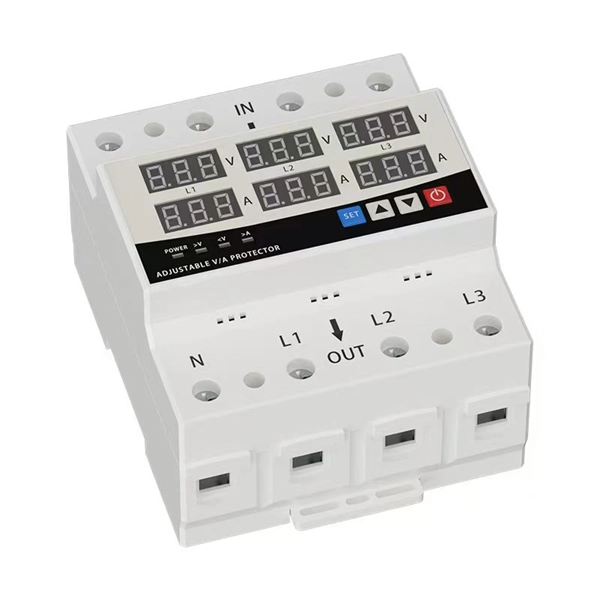
I share practical guidance on designing and selecting custom distribution boxes for harsh environments—covering enclosure materials, sealing standards (IP/NEMA), thermal management, grounding, and maintainability. ASTM's composite standards are instrumental in the evaluation...
[PDF Version]
All-dielectric self-supporting (ADSS) cable is a type of that is strong enough to support itself between structures without using conductive metal elements. It is used by companies as a communications medium, installed along existing overhead transmission lines and often...
2 meters, adhering to NEC standards, to counter frost lines and agricultural plows (1000 N/cm). Outcome: Armored cables with 2000 N/cm crush resistance reduced failures by 15%, with OTDR tests showing <0. Comprehensive procedures for fiber optic cable installation including...
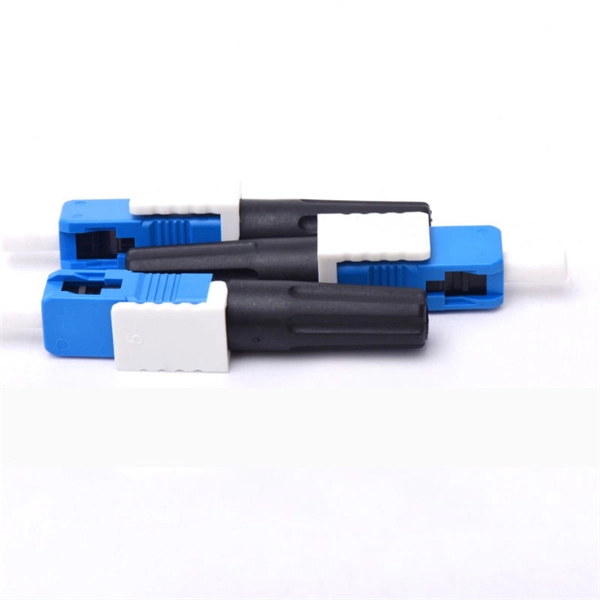
IP ratings focus on dust and water ingress, NEMA types cover broader environmental conditions, IK ratings measure impact resistance, and UL or CSA certifications address construction and safety compliance. Commonly used distribution boxes are made of wood or metal...
[PDF Version]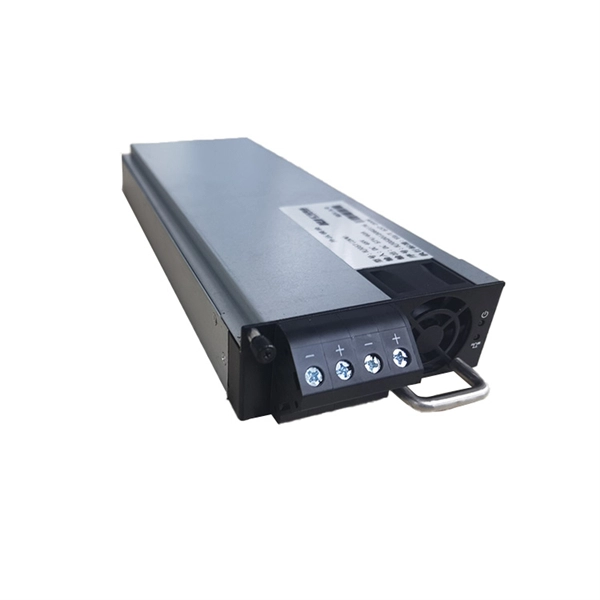
Underground Fiber Optic Cable: The Complete Guide Comprehensive guide to underground fiber optic cable types, installation, pricing, conduit systems, stand.
[PDF Version]You can order magnetic and pipe & cable locators from Engineer Supply. We have a broad range of tools for every job. In addition to the locators th...
The difference between these two types of locators is what they detect. A pipe & cable locator can find either passive or active electromagnetic si...
This depends on the type of work you will be doing. It is almost always important to check for underground utilities before beginning any excavatio...
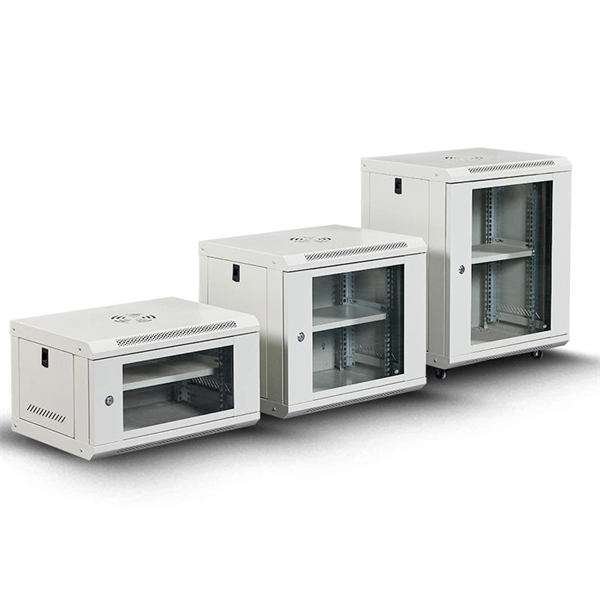
Check for proper IP/NEMA ratings and material quality. Ensure safe placement: install in dry, accessible areas with good ventilation and at appropriate height (typically ~1. Practice good wiring: secure grounding, neat cable management, proper insulation, and correct wire...
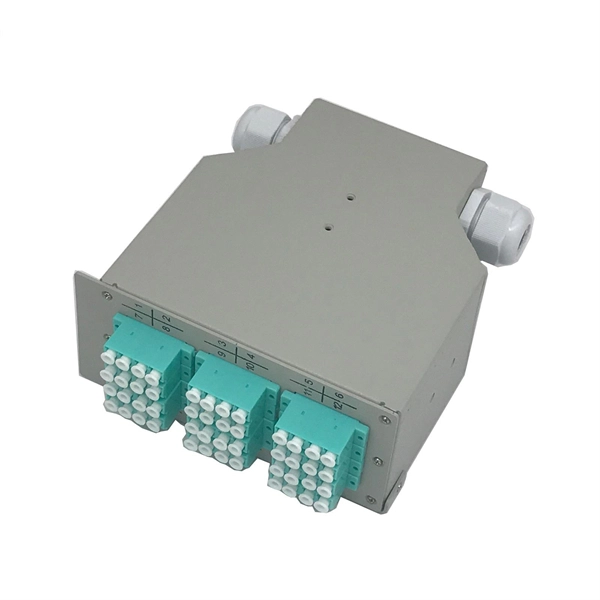
Beam splitters are classified by construction (plate, cube, pellicle, polka dot) and by function (standard, non-polarizing, polarizing, dichroic). Construction determines ghosting, damage threshold, and form factor. Function determines how polarization and wavelength are...
Share the fiber interfaces, termination capacity, cable route and evidence required for handover.