
How can one identify a broken fiber optic cable?
To identify a broken fiber optic cable, start by performing a visual inspection for any physical signs of damage, such as bends, cracks, or breaks...
Search optical fiber, connectivity, cable management and network infrastructure references.
The cable tray needs to be anchored at the support closest to the midpoint between the expansion joints with hold down clamps and secured by expansion guides at all other support locations. The expansion guides allow the cable tray to slide back and forth as it contracts and...
They connect a straight cable tray with a laterally branching run, creating stable changes in direction within the system. maintain spacing or to keep cables in place when the tray is ect the minimum bend ra-dius for cables as they exit the bottom of the cable tray. A rung...
[PDF Version]
Installing expansion joints in the cable tray runs only at the structure expansion joint positions, does not normally provide a valid solution to adequately compensate for the cable tray's thermal contraction and expansion. The materials of the structures and the cable. A...
[PDF Version]
Fiber Optic Troubleshooting: Expert Guide for Common Troubleshoot fiber optic issues like a pro with our expert guide. Resolve common problems and ensure s.
[PDF Version]To identify a broken fiber optic cable, start by performing a visual inspection for any physical signs of damage, such as bends, cracks, or breaks...
There are several methods to test fiber optic cables without a tester. One method is using a visual fault locator (VFL), as mentioned earlier, to v...
Intermittent fiber optic connections can be caused by a variety of factors, including: Poorly terminated connectors or splices that result in unsta...
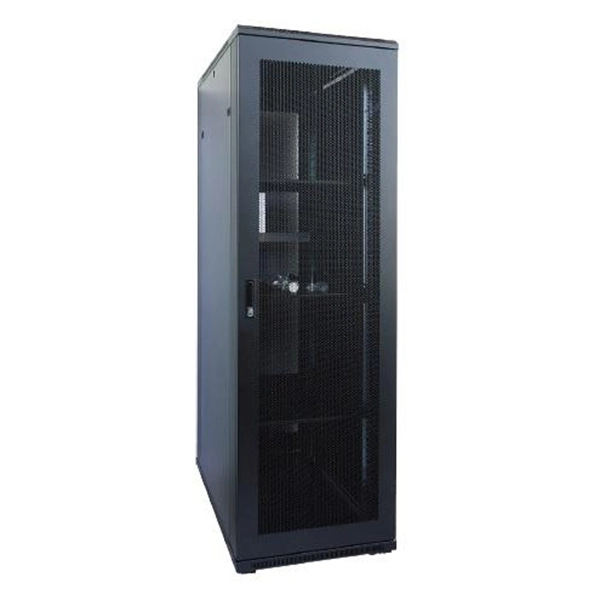
Grouping cables by function and labeling them simplifies identification and reduces clutter in your workspace. Regularly check. Understanding the common causes of cable damage and how to prevent them is essential to maintaining the longevity and performance of your cables...

Routine maintenance is what prevents minor cable tray issues from becoming safety incidents. Your original article recommends regular inspection, cleaning, cable re-securing, and removal of debris and abandoned cables. The most common hazards include: 👉 If ignored, these...
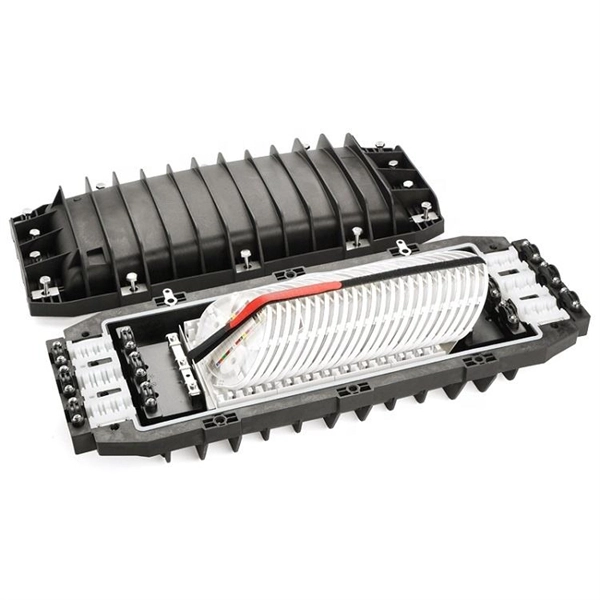
Fiber Optic Cable Failures in the Field And How to Understanding the common causes of failure and implementing preventive measures is essential to maintain.
[PDF Version]
We terminate fiber optic cable two ways - with connectors that can mate two fibers to create a temporary joint and/or connect the fiber to a piece of network gear or with splices which create a permanent joint between the two fibers. The methods of fixing joints include...
[PDF Version]Share the fiber interfaces, termination capacity, cable route and evidence required for handover.