
Understanding Ftth Key Components
Search optical fiber, connectivity, cable management and network infrastructure references.
- Understanding
- Ftth
- Components
Articles and technical references
8 on this page-
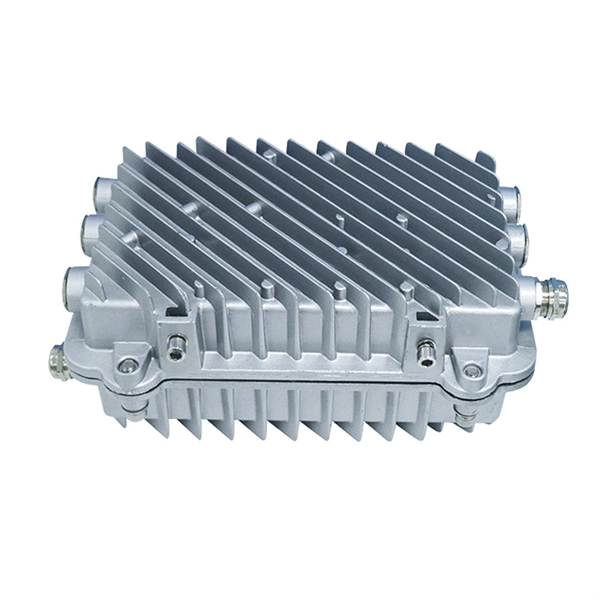
Core upstream components of optical modules
At the heart of every optical transceiver lie three essential components, often called the “Three Pillars” of optical communication: Laser — generates light. Modulator — encodes data onto the light. Whether in 5G base stations, hyperscale data centers, or long-haul telecom...
-
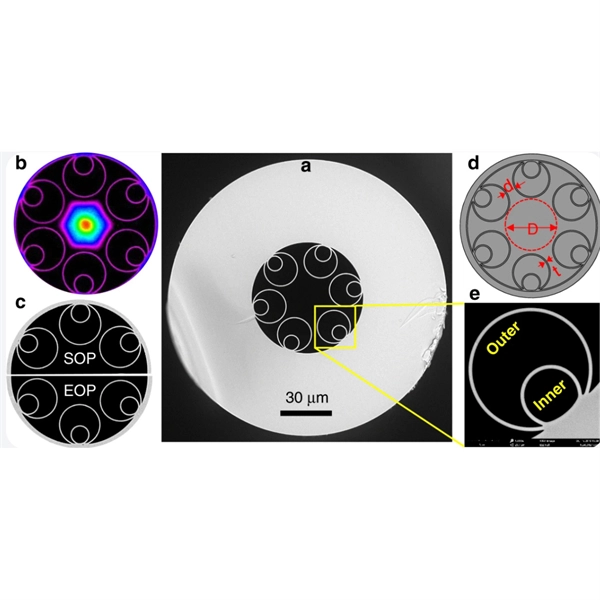
Key and difficult points in cable and optical fiber laying
Fiber-optic cable installation often requires digging trenches or boring to lay cables over long distances, which can be complicated when dealing with diverse terrains, such as urban areas with congested infrastructure, mountainous regions, or underwater installations. While...
[PDF Version]
-
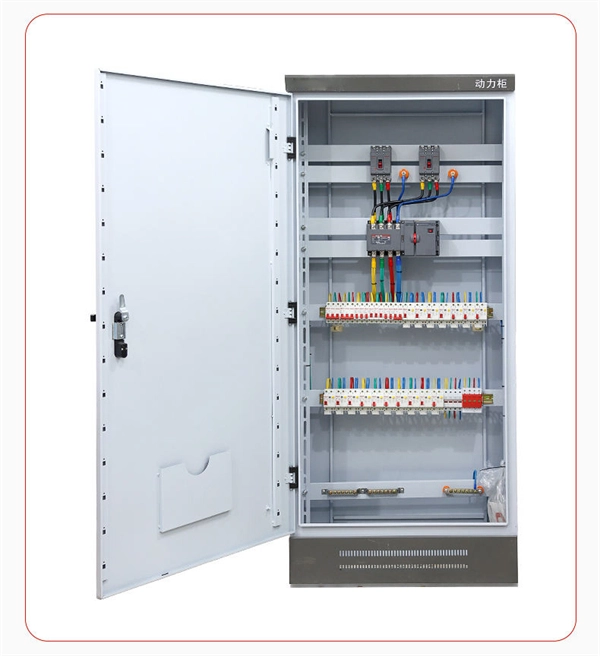
Key Points for the Construction of Optical Distribution Boxes
This guide provides a comprehensive engineering perspective on ODFs—beyond the basic “what is an ODF” explanation—covering structural design, fiber management, MPO/MTP integration, and selection criteria for modern high-density deployments. Why ODFs are the Foundation of...
-
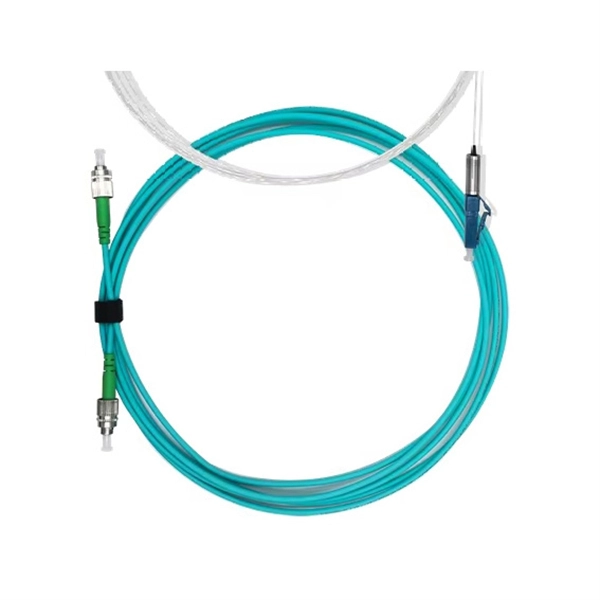
FTTH optical receiver connection method
FTTH is the ultimate fiber access solution where each subscriber is connected to an optical fiber. The deployment options discussed in this tutorial are based on a complete optical fiber path from the Optical Line.
-
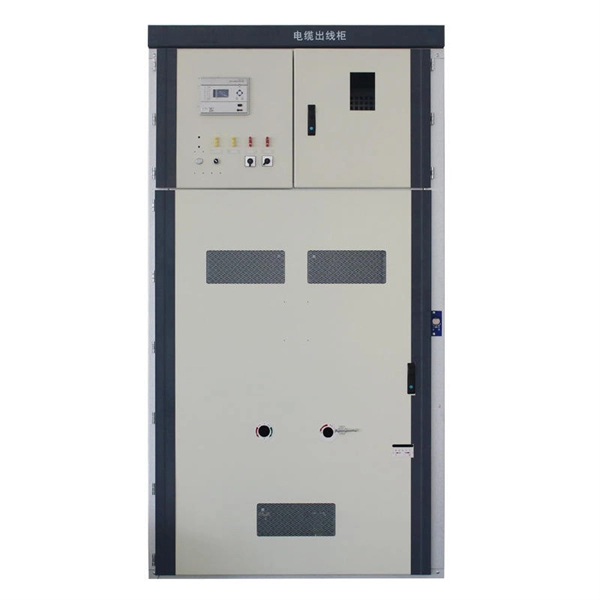
Minimum bending radius of FTTH butterfly optical cable
During the installation process, maintain a minimum bend radius of 20 times the cable diameter under tension, and 10 times after installation. Ignoring these rules leads to improper installation, signal loss, and costly cable damage. Proper bend radius control ensures the...
-
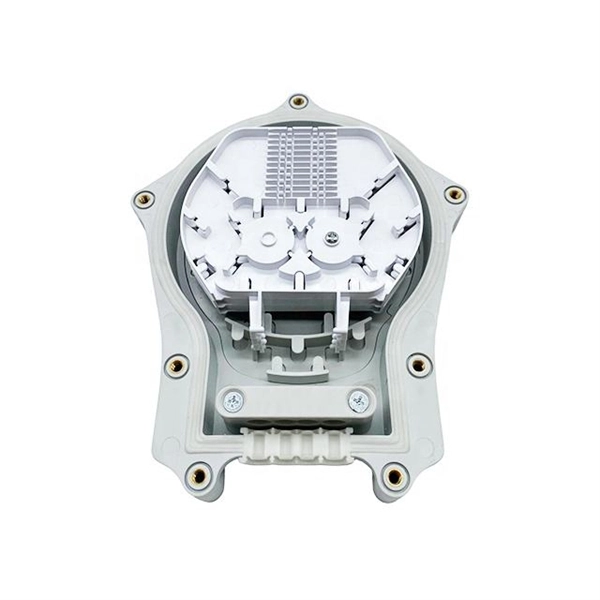
Horizontal fiber optic connector components
Most fiber optic connectors are plugs or male connectors with a protruding ferrule that holds the fibers and aligns two fibers for mating. They use a mating adapter to mate the two connectors that fits the securing mechanism of the connectors (bayonet, screw-on or. A fiber...
[PDF Version]
-
Monochromator Components of a Spectrophotometer
The basic elements of a monochromator are (1) entrance slit, (2) collimating mirror (to form a parallel beam after the slit), (3) diffraction grating (dispersive element), (4) camera mirror (focuses light from the dispersive element onto the exit slit), and (5) exit slit (see...
[PDF Version]
-
Icelandic spot active optical components OSFP
A: The OSFP is a pluggable form factor with 8x high speed electrical lanes that support up to 400 Gbps (8x50G), 800 Gbps (8x100G), or 1. Up to 36 OSFP ports are supported in 1 U front panel. Q: What are the variants of the OSFP form factors?OSFP-XD MSA Rev 1. and a disclaimer...
[PDF Version]