
Understanding Passive Optical Networks For Ftth Deployment
Search optical fiber, connectivity, cable management and network infrastructure references.
- Understanding
- Passive
- Optical
Articles and technical references
9 on this page-
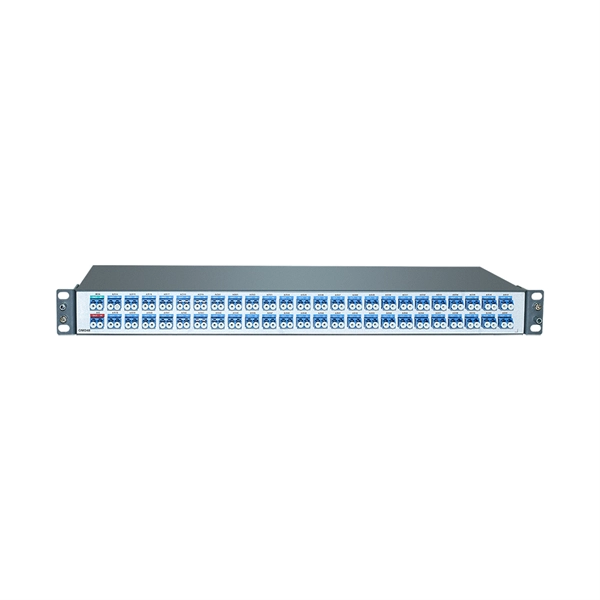
Network Structure of Passive Optical Networks
A PON takes advantage of (WDM), using one wavelength for downstream traffic and another for upstream traffic on a (ITU-T, typically OS2). BPON, EPON, GEPON, and have the same basic wavelength plan and use the 1490 nanometer (nm) wavelength for downstream traffic and 1310 nm...
[PDF Version]
-
Passive optical networks employing different technologies
Passive Optical Access Networks: State of the Art and Future. A comparison of advantages and disadvantages of different multiplexing techniques is discu.
[PDF Version]
-
What is PON used to connect to passive optical networks
What Is Passive Optical Networking (PON)? Passive optical networking (PON), like active optical networking, uses fiber-optic cabling to provide Ethernet co.
[PDF Version]
-
Imported ONT optical network terminal QSFP-DD for metropolitan area networks
The 400G QSFP-DD DCO optical transceiver adheres to OIF 400ZR/Open ZR+ and is intended for use in the DCI/metro network. Digital coherent optical communication technology enables high-capacity and long-distance transmission. Network operators are looking for cost-optimized...
[PDF Version]
-
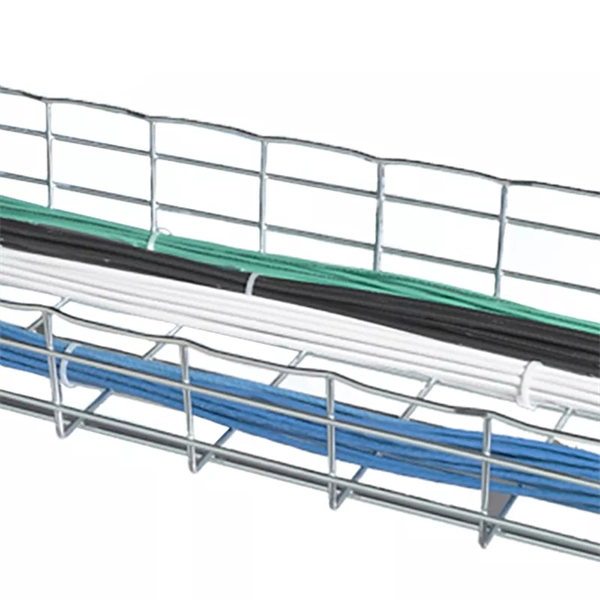
High-precision optical attenuators for power grid private networks
The types include VOAs made of 2D MEMS having good repeatability and low cost; VOAs made of 1D MEMS having >70 dB high attenuation; VOAs made of fiber directly coupled to fiber MEMS having ultra-low loss <0. Unlike fixed attenuators, which provide a constant loss, VOAs allow...
-
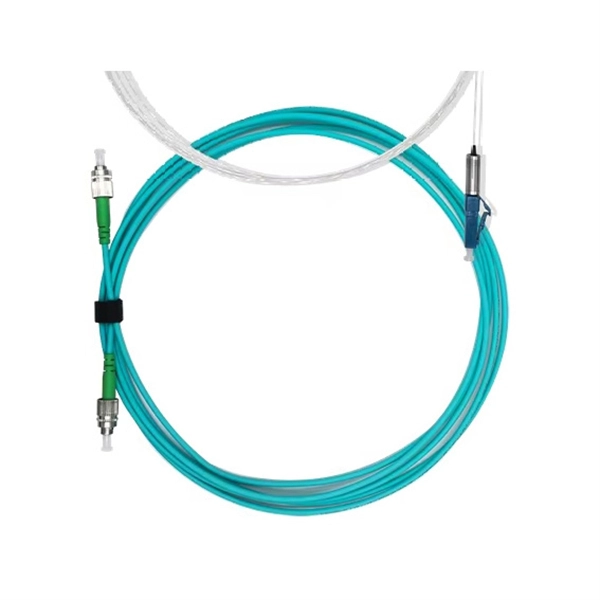
FTTH optical receiver connection method
FTTH is the ultimate fiber access solution where each subscriber is connected to an optical fiber. The deployment options discussed in this tutorial are based on a complete optical fiber path from the Optical Line.
-
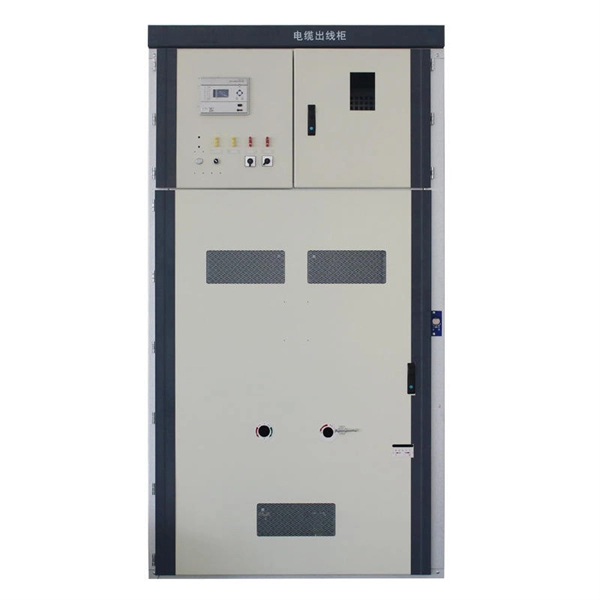
Minimum bending radius of FTTH butterfly optical cable
During the installation process, maintain a minimum bend radius of 20 times the cable diameter under tension, and 10 times after installation. Ignoring these rules leads to improper installation, signal loss, and costly cable damage. Proper bend radius control ensures the...
-
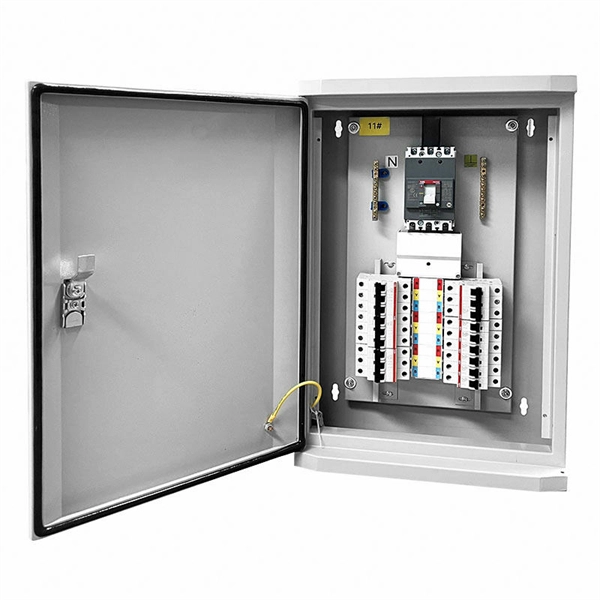
Selection Guide for QSFP28 Long-Distance Optical Transceivers for Backbone Networks
A practical, engineer-friendly guide to choosing the right transceiver form factor by speed, port density, power, migration plan, and operational risk—built for 25G/100G networks in 2026. 25G SFP28 is the new access/server baseline; deploy it for port density. In March 2025...
[PDF Version]
-
FTTH Optical Amplifier OSFP Certification
Special Benefit for Fiber Broadband Members – 15% off all Light Brigade courses! Mention you are a member when you register.The classroom format features 16 hours of training and direct, personal.