
Technical notes
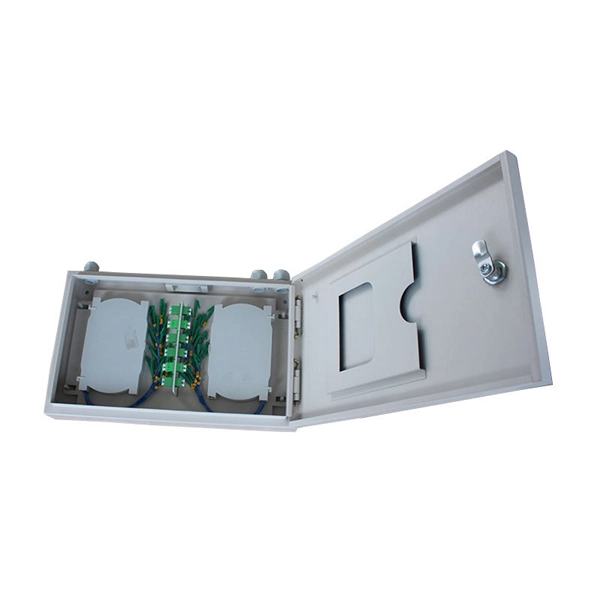
Complete Guide to UTP, STP, and Fiber Optic Network
Whether you are architecting a high-density data center or a distributed enterprise office, selecting the appropriate medium between
The FOA Reference For Fiber Optics
Below, you can see the difference in the twists in each pair for different types of cables. From the left, we have telephone wire with hardly any twists in the pairs, then Category 3, Category 5e and Category 6
Cable Identification System Best Practices for Fiber Optic Networks
Efficient cable tracing and identification remain essential for maintaining high-performance optical fiber networks. Technicians rely on a combination of physical tools and software solutions to
What is the difference between fiber optic and utp?
Fiber optic cables are the preferred choice for applications that require high-speed and high-bandwidth connections, while UTP cables are more commonly used for
Difference between Twisted Pair Cable and Optical Fiber Cable
The choice between the twisted pair cable and the optical fiber cable ultimately depends on a specific needs of the network and the resources available to the organization.
Fiber Optic Cable Types: A Complete Guide
The plethora of fiber optic cable types can seem overwhelming, but choosing the right cable for the job is important. Read on to learn what fiber optic
Network Cable Types – UTP, STP, Coax & Fibre
The most important distinction within fibre optic cable is between single-mode fibre (SMF) and multimode fibre (MMF). The choice determines the maximum distance, the type of transceiver/SFP
Fiber Type: Identifying Installed Fiber Optic Cables
These measurements are not the actual outer diameter of the cable; they correspond directly to the optical fiber itself. This notation indicates that you are looking at either OM2, OM3, or OM4, as they
Difference between Twisted pair cable, Co-axial cable and Optical
Twisted Pair Cable is the most common and cheapest option, Co-axial Cable has a higher bandwidth and is used for high-speed connections, and Optical Fiber Cable is immune to
Fiber Optic Color Code: The Ultimate TIA-598-C Guide
It can help us visually distinguish fiber types from colored fiber sheaths, internal fibers, and fiber connectors. More importantly, mastering this knowledge can
UTP Cable
Find out what an Unshielded Twisted Pair (UTP) cable is, How it Works, detailed Specifications for UTP cable Types & their Applications through
Fiber Color Code: Complete Guide to Mastering
Understand fiber color codes and their meanings in this comprehensive guide. Learn more about outer fiber jacket color, inner cable
The FOA Reference For Fiber Optics
Cables permanently installed in premises cabling systems use solid wire for higher performance but patchcords generally use stranded wire for greater flexibility and ruggedness when handled. UTP
Physical Networks: Optical Fiber Vs. Twisted Pair
In summary, optical fiber cables are outstanding for high-speed, long-distance communication with immunity to interference. In contrast, twisted pair cables are cost-effective and
Difference between Twisted Pair Cable and Optical Fiber Cable
Conclusion The Twisted pair cable and a optical fiber cable are their conductor material, bandwidth, signal interference, distance and cost. A Twisted pair cable is the more affordable option
The FOA Reference For Fiber Optics
Topic: Fiber Optic Cable Table of Contents: The FOA Reference Guide To Fiber Optics Fiber Optic Cable Cable Types: (L>R): Zipcord, Distribution, Loose Tube,
Differences between twisted pairs and Fiber cables
Twisted-pair and fiber-optic cables are the two most popular media types used in Ethernet LAN networks. You can use any one or both to connect
A Guide to Fiber Optic Testers, Tools, and Troubleshooting | Fluke
Learn about the common contaminants of fiber optics in today''s mission critical networks and get a detailed look at fiber testing and types of fiber testers to ensure network performance.
Related Video Reference
This video was associated with the source search result. Verify technical details against current product documentation and project requirements.