
Technical notes
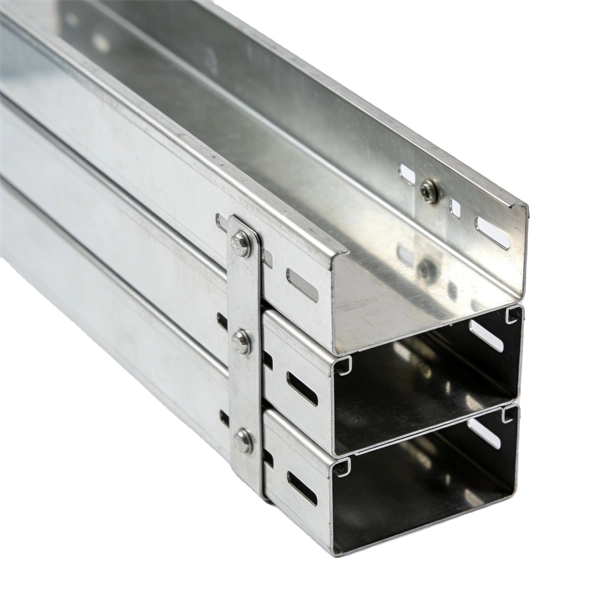
Cable Tray Manufacturers: Types, Uses & Buying Guide
For facilities with high cable density, such as factories, data centres, power plants, and commercial complexes, trays are often the only practical way to manage cable volume safely.
Types of Cable Trays: Ladder, Perforated, Basket, Solid
Explore all types of cable trays—ladder, perforated, basket, solid, and channel. Learn their uses, materials, pros, cons, and key differences.
7 Types of Cable Trays: How to Choose the Right One
This article explains each major cable tray type, how it works, and when it should be used, so users can make informed, standards-based decisions. What Are the Main Types of Cable
Top 7 Types of Cable Trays and Their Applications
Discover the top 7 types of cable trays including Ladder, Perforated, and Wire Mesh. Learn their applications and benefits for efficient cable management.
Types of Cable Trays – Purpose, Advantages,
Cable trays are components of support systems for power and communications cables and wires. A cable tray system supports and protects
Types of Cable Trays – Advantages, Applications and Sizes
In this article, we''ll explore the most common types of cable trays, their advantages, and the cable tray sizes available to help you choose the right one for your project.
Cable Tray Types and Sizes
Types of Cable Trays and Sizes Explore various cable tray types and sizes for electrical installations. Learn about ladder, perforated, solid-bottom, wire mesh, and channel trays in this complete guide.
Types of Cable Trays – Advantages, Applications and Sizes
Explore different types of cable trays, their advantages, applications, and standard sizes with high-quality solutions from JP Electrical & Controls for industrial and commercial projects.
What Are The Common Types of Cable Trays
Discover the main types of cable trays, their uses, and how to choose the best one for your electrical or data cabling project in the UK.
Ultimate Guide to Cable Tray Selection – Types,
Learn how to choose the best cable tray system for your needs. Explore types, materials, installation tips, and NEC compliance in this expert guide.
What is Cable Trays in Electrical and Uses
It also give good look after installation. The aluminium Cable Trays have excellent corrosion resistance in chemical environment are in use in Petro
Type of Cable Tray
Introduction: Today cable trays have become a necessary part of industrial and commercial construction by offering quick, economical and flexible solutions to these problems. Cable trays are capable of
Cable Tray Today: An overview | Cable Tray Institute
This style of cable tray is available non-ventilated or ventilated, as shown in (figure D). Center supported cable trays Today, another type of cable tray is available for cable support and management. These
What are Cable Trays? Everything you need to know
Discover everything about cable trays in industrial settings: types, benefits, installation tips, and compliance with NEC and fire resistance standards. Learn how to optimize cable
Cable Tray Systems – CableOrganizer
Cable tray systems are the perfect solution for running large quantities of power or data cables overhead or under-floor. Also known as baskets, trunking, or cable ladders, these systems are designed to
What Is A Cable Tray? 5 Types Of Cable Trays
A cable tray is a structural system used to support and manage electrical cables in various settings, such as industrial, commercial, and residential environments.
Cable Tray | Efficient & Organised Cable Management
Now that we know the different types of cable trays let''s dive into their installation process. Cable trays are typically mounted on a wall or ceiling, commonly attached using cable tray clamps.
7 Types of Cable Trays: How to Choose the Right One
Cable tray systems are engineered support structures designed to route, support, and protect insulated electrical cables used for power distribution, control, instrumentation, and
Related Video Reference
This video was associated with the source search result. Verify technical details against current product documentation and project requirements.