Skip to content
QK FIBERSystems Send a project enquiry
Reference library

What are the interconnection methods for data centers

Published
  • What
  • Interconnection
  • Methods
Source context

AI source overview

Data Center Interconnection (DCI) provides dedicated, high-speed connectivity between multiple data centers, enabling secure, low-latency, and reliable data and application sharing across locations. What is DCI? Data Center Interconnection (DCI) refers to private network connections between two or more data centers, allowing geographically separated facilities to operate as a unified infrastructure.

Unlike internet-based connections, DCI uses dedicated circuits such as dark fiber, wavelength services, Ethernet circuits, or MPLS networks, ensuring predictable latency, guaranteed bandwidth, and enhanced security. This connectivity supports disaster recovery, live workload migration, data replication, and distributed applications that span multiple sites.

Types of DC

I ConnectivityLAN Extension (Layer 2): Extends a single Layer 2 domain across data centers, useful for legacy applications or virtual machine mobility. It allows seamless migration of servers and clustering of applications that require L2 adjacency, such as database replication and heartbeat communication. Layer 3 Extension: Provides routed connectivity between data centers, often using VPNs or MPLS, suitable for segmentation, virtualization, and file server backups.

It supports multi-tier applications and enables load balancing across sites.

SA

N Extension: Extends storage networks over distance, often using Fibre Channel over IP or specialized optical transport, addressing latency-sensitive storage replication and backup requirements. Path Optimization: Ensures efficient routing between geographically remote VLANs or subnets, improving server-to-server communication and minimizing latency for distributed applications. Technologies UsedDCI can leverage high-speed packet-optical networks, including DWDM (Dense Wavelength Division Multiplexing), ROADM-based networks, and coherent optics capable of speeds up to 800 Gb/s per wavelength.

Emerging technologies like Overlay Transport Virtualization (OTV) allow Layer 2 extension over any IP-based transport while maintaining fault isolation and resiliency.

Benefits of DCI

Low Latency and Predictable Performance: Dedicated circuits reduce variability compared to internet connections, critical for database replication and real-time applications. Enhanced Security: Private connectivity isolates traffic from the public internet, reducing exposure to cyber threats. Business Continuity and Disaster Recovery: Enables geographically diverse backup and failover strategies.

Hybrid Cloud and Multi-

Site Operations: Facilitates integration with cloud providers and colocation facilities, improving resource accessibility and reducing latency for end users. Operational Efficiency: Supports workload migration, server consolidation, and dynamic resource allocation across multiple data centers.

Use Cases

Disaster Recovery: Replicating critical data between sites to ensure continuity. Workload Migration: Moving virtual machines closer to users or balancing load across data centers. Distributed Applications: Running applications that require low-latency communication between multiple sites.

Hybrid Cloud Integration: Connecting on-premises data centers with public cloud providers for seamless resource sharing. In summary, DCI is a strategic enabler for modern enterprises, providing secure, high-performance connectivity that allows multiple data centers to function as a cohesive, resilient, and scalable infrastructure.

Research context

Reference summary

Types of Interconnects in a Data Center: A Comprehensive GuideBy choosing the right interconnect technologies—whether Ethernet for general-purpose connecti.

From reference to enquiry

Questions for your project

Use these editorial prompts alongside the linked excerpts. They identify items to confirm for your project.

Technical notes

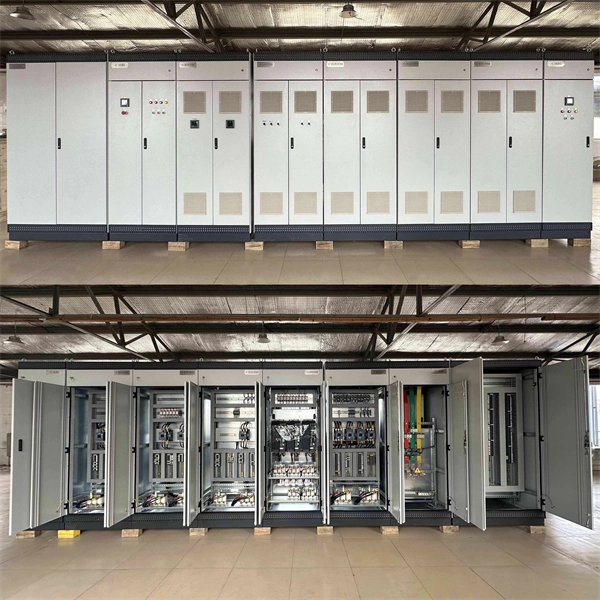
Illustrative equipment image

Types of Interconnects in a Data Center: A Comprehensive Guide

By choosing the right interconnect technologies—whether Ethernet for general-purpose connectivity, Fiber Channel for storage, or DCI for multi-site data center links—organizations can

Understanding Interconnection in Colocation Data Centers

Explore key interconnection approaches in colocation data centers to boost connectivity, agility, and business performance with real-world examples.

How Data Centers Connect to the Internet

A plain-language explanation of how data centers connect to the internet through carriers, meet-me rooms, cross-connects, upstream networks, and exchange points.

What are the different types of interconnection in data centers?

Data centers use several interconnection types to optimize connectivity and performance. Physical cross connects are direct links between tenants, carriers, or cloud providers.

Data Center Interconnect Solution Overview

Figure 2-1 summarizes the three general types of connectivity required for a DCI solution. • LAN Extension: Provides a single Layer 2 domain across data centers. The data center applications are

Data Center Interconnect: A Guide to DCI and Connectivity

Explore how data center interconnect works, and what to consider when connecting facilities, clouds, carriers, and network partners.

Data Center Connectivity Explained: 4 Types of Data Centers and

Learn what data center connectivity is, the 4 main data center types, and how strong connections support fast, reliable business operations.

A Complete Guide to Data Center Network Architecture

As the name suggests, data center network architecture deals with the physical and logical arrangement of systems that interconnect servers, storage systems, and applications.

Planning for Data Center Grid Interconnection | GE Vernova

Learn how developers manage data interconnection, grid access delays, and data center power issues with flexible power strategies and modeling insights.

Data center network architectures

A data center is a pool of resources (computational, storage, network) interconnected using a communication network. A data center network (DCN) holds a pivotal role in a data center, as it

Data Center Networking: What It Is, Why It Matters, And Types

Data center networking connects networking resources like routing and load balancing in a data center to store and process apps and data efficiently.

Data Center Interconnect Reference Design Guide

Data Center Interconnect Reference Design Guide Data centers of all sizes host significant amounts of business-critical data—data that grows by the day, hour, and millisecond. Maintaining this data

What is Data Center Interconnect (DCI)? | Flexential

Data Center Interconnect (DCI) is a vital technology that connects data centers spread across different geographical locations. It plays an essential role in modern digital infrastructure, addressing the

Interconnection Solutions for Data Centers | DataBank

Elevate Your Data Center with Interconnection Solutions: Seamlessly integrate networks, boost performance, and fortify security. Discover how interconnection solutions revolutionize data

What is Data Center Interconnect? Definition, Options & Benefits 2025

This highly integrated system enables data centers to be operationally efficient enabling many different types of business use cases and disaster recovery options. Data Center

Data Center Interconnection: What is it & How Does it

Could data center interconnection be the missing piece in your strategy? Discover what it is, how it works, benefits, and more.

Power Purchase and Interconnection Agreements for

Interconnection processes for both generation and data center load must be initiated early and coordinated to avoid costly delays. Colocation of data

Designing Efficient Data Centers and Interconnection Networks

Data centers are the backbone of our online world. They house critical computing and storage resources, ensuring that applications, data, and content are always accessible. A well

Related Video Reference

This video was associated with the source search result. Verify technical details against current product documentation and project requirements.

Share your network requirements

Share the fiber interfaces, termination capacity, cable route and evidence required for handover.

Send a project brief