
Technical notes
Patch Panels Explained: Types, Benefits, and How They Work
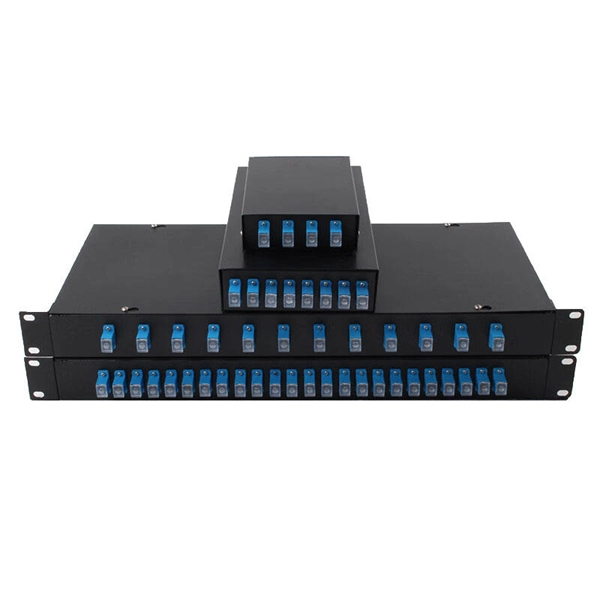
A patch panel, including fiber patch panels and Ethernet patch panels, is a passive network device that centralizes, terminates, and organizes multiple copper or fiber cables.
Patch Panels and Patch Cables Explained
A patch panel organizes cables in a structured wiring infrastructure. It is usually a standard 19-inch-wide rack-mounted panel with a series of RJ-45
What is a Patch Panel, and What is It Used For?
Patch Panels are passive networking devices that help organize and manage network cables by providing a central place for cable termination and
What is a Patch Panel?
A patch panel in a local area network (LAN) is a mounted hardware assembly that contains ports that are used to connect and manage incoming and
What is Patch Panel and Types
Patch panel is an important component in the structured cabling system, used as a connecting device for telecom and network communication.
What is a Patch Panel: Why They Matter and How to Choose
This guide explains what a patch panel is, how it works, the main types available, and what to consider when specifying one for a copper or fibre installation. A patch panel is a passive termination and
What Is A Patch Panel? How It Works, Key Benefits
TL;DR A patch panel is a centralized connection point that keeps network cables organized and easier to manage. The back of the panel holds
Patch Panel – Beginner''s Guide to Structured Network Cabling
Patch panels allow network administrators to organize cables in a way that makes sense for their specific network layout. Instead of having individual cables running from devices to other
Ethernet Patch Panel: Cabling Guide | Security Briefing
Unlike active devices that process data, a patch panel simply provides structured termination points for each Ethernet cable run, creating a clean, scalable foundation for any network.
What is a Patch Panel and Why You Need It?
This makes it possible to use a shorter patch cable. From the panel, a fiber optic or other high capacity connection runs to the next network or the
What is a Patch Panel?
What are patch panels? Patch panels, also known as patch fields or patch bays, are a piece of hardware containing multiple ports. Each port on the
What Is a Patch Panel? And Why It''s Essential in Network Management
What Is a Patch Panel? Think of a patch panel as the backbone of your wired network. It''s a flat, rack-mounted hardware unit that houses multiple cable connections in one central place. These
Patch panel
A patch panel is a device or unit featuring a number of jacks, usually of the same or similar type, for the use of connecting and routing circuits for monitoring, interconnecting, and testing circuits in a
What is a Patch Panel Used for and How Does it Work?
Patch panels in networking play a crucial role in both fiber and copper networks, serving as key components for organizing and managing cable connections.
Mastering Patch Panels in Networking
Improved Cable Management: Patch panels keep cables organized, making it easier to manage and maintain the network. Enhanced Flexibility: Patch panels allow for easy reconfiguration
What Is A Network Patch Panel? Why Use It? How to Buy It? | by
How to Buy A Network Patch Panel? When buying a network patch panel in the market, you''ll find there are many options in terms of styles, cable types, number of ports, etc.
Patch Panels: Pros, Cons, and Best Practices for Efficient Cabling
A patch panel is a centralized hardware component used to manage network cables in data centers, enterprise server rooms, and smart buildings. According to Grand View Research, the global
What Is a Patch Panel in Networking?
What is a Patch Panel Used for in Networking? Patch panels are most commonly used in enterprise-level local area networks (LANS). Within
Related Video Reference
This video was associated with the source search result. Verify technical details against current product documentation and project requirements.