
What Is A Thermal Overload Relay
Search optical fiber, connectivity, cable management and network infrastructure references.
- Thermal
- Overload
- Relay
Articles and technical references
9 on this page-
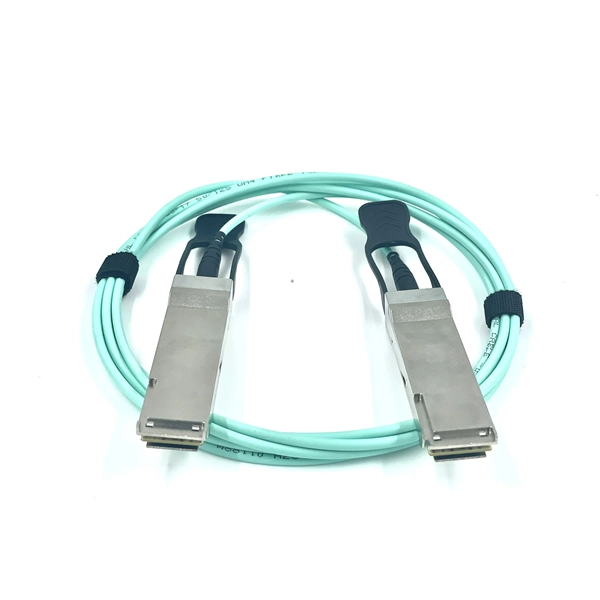
What is a relay protection sensitive line
Electromechanical protective relays operate by either, or. Unlike switching type electromechanical with fixed and usually ill-defined operating voltage thresholds and operating times, protective relays have well-established, selectable, and adjustable time and current (or...
-
What is relay protection network
Electromechanical relays can be classified into several different types as follows: "Armature"-type relays have a pivoted lever supported on a hinge or knife-edge pivot, which carries a moving contact. These relays may work on either alternating or direct current, but for...
-
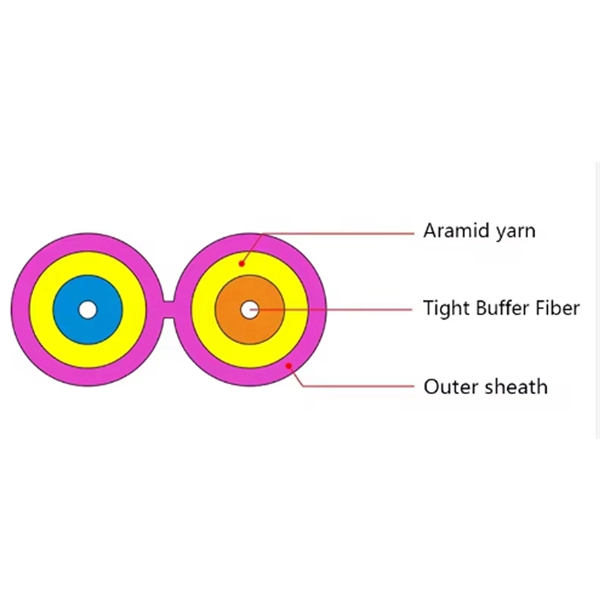
What are the functions of relay protection management
A practical guide to how protective relays detect faults, trip circuit breakers, coordinate protection zones, and improve power system reliability. Core idea: Protective relays monitor electrical quantities and command protective devices to isolate faults or abnormal...
-
What is relay protection compared to
In, a protective relay is a device designed to trip a when a is detected. The first protective relays were electromagnetic devices, relying on coils operating on moving parts to provide detection of abnormal operating conditions such as over-current,, reverse flow...
-
What score is needed to pass the relay protection certificate exam
Certification Exam Scores: A passing score is the score set by the ICC and/or/with the Exam Development Committee (EDC) as the minimum score needed to pass the exam. This score is technically called a scale score and is set as 75 for the National Certification exams. A...
[PDF Version]
-
What to do if the relay protection device doesn t trip
Adapt the settings of the undervoltage protection or remove this module from the device project settings (if you do not need it). If you have any problems with acknowledging the pending alarm, please refer to "Failure of a relay output". The switchgears can not be operated...
[PDF Version]
-
What should be noted when installing relay protection
Selection of protection relays for different types of objects. Although failure of a protective relay system may have severe local or regional impacts, most protective relay systems are not required to operate to prove they are in working order. All persons responsible for...
-
What does a relay protection major do
Its main purpose is to safeguard electrical equipment like transformers, generators, and transmission lines from damage due to abnormal conditions such as overloads, short circuits, or voltage imbalances. The relays are in round glass cases. Types of Protective Relays...
-
What does ZSS mean in relay protection
The Zero Speed Switch (ZSS) is used to detect the absence or presence of motion of rotating, reciprocating or conveying equipment. It consists of a circuit card and magnet assembly potted in the probe body. The ZSS is powered from the line voltage and provides a set of dry...
Continue in the technical library
- How to install high-rise fiber optic cables in Botswana
- Compensation Standards for Buried Optical Cables
- Estonian Alloy Plastic Cable Tray Specifications
- Where should the digital wiring unit be connected
- Why are the double busbars not connected
- Is applying fire-retardant paint to fiber optic cables a good idea