
Technical notes
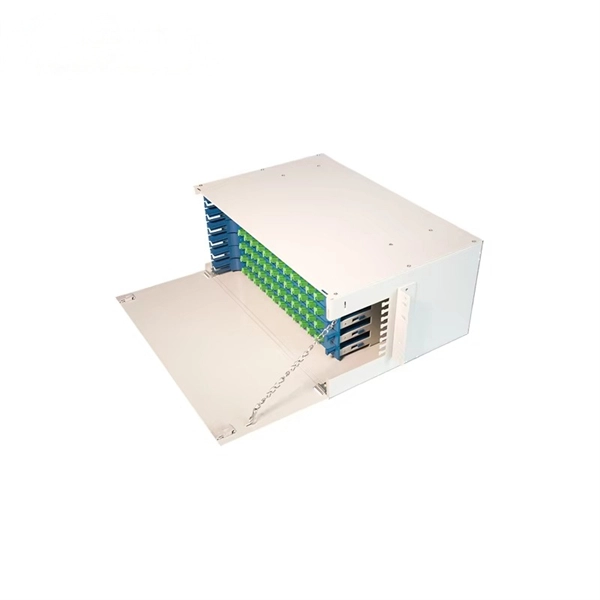
LC Fiber Optics: Complete Guide 2026 to Patch Cables,
LC (Lucent Connector) is one of the most widely adopted fiber optic interfaces in the world today. Originally developed by Lucent Technologies, the
LC Fiber Optics: Guide to LC Connectors, ULL Cables,
LC (Lucent Connector) is the world''s dominant duplex optical interface, used across enterprise networks, telecom infrastructure, and especially data centers.
LC Fiber Optics: A Comprehensive Guide
What Does LC Mean in Fiber Optics? LC stands for a type of optical connector of which the full name is Lucent Connector. It comes with the name because the LC connector was first
Fiber Connector Types
LC vs SC Connection Handling - LC connector features with latch structure and designs with a locking tab to secure the cable, whereas SC
LC Fiber Optics: A Comprehensive Guide
What Does “LC” Mean in Fiber Optics? LC stands for Lucent Connector (also colloquially “Little Connector”). It was introduced by Lucent Technologies to deliver small form factor (SFF) optical
LC Fiber Optic Cable: A Practical Guide for Network
What Is an LC Connector? LC stands for Lucent Connector. It was developed by Lucent Technologies (now part of Nokia via Alcatel-Lucent) in the
STRUCTURED CABLING
A structured cabling system that has been designed and deployed effectively will include all the necessary cables and hardware to form a complete telecommunications infrastructure.
LC Fiber Connector Guide: Everything You Need to Know | CZT
LC stands for Lucent Connector (developed by Lucent Technologies in the 1990s). It''s a small form-factor connector with a 1.25 mm ceramic ferrule — half the diameter of the SC connector''s
SFP LC Connector: Mechanical Design and Standards
An SFP LC connector refers to the combination of an SFP (Small Form-factor Pluggable) module and an LC (Lucent Connector) fiber interface. The LC connector features a small form factor with a 1.25mm
A Complete Guide to LC Fiber for Modern Networks
LC is short-named after its developer, Lucent Connector. It is designed on the principle of push-pull, like the SC connectors, except that the ferrule size is smaller, about 1.25 mm. Due to such
SFP LC Connector: Everything You Need to Know
Components and Structure There are two main components — the SFP transceiver and the LC connector in the SFP LC connector. This creates an
Fiber Optic Connector Types Explained | FiberCablesDirect
Types of Fiber Optic Connectors and Their Uses There are many different connectors for fiber optic cable. Also called terminations, these connectors hold a connection between two fiber cables.
Detailed Explanation of FC, ST, SC, and LC Fiber-Optic Interfaces
I.What is an optical fiber patch Cable? An optical fiber patch Cable is a jumper wire used to connect from equipment to an optical fiber cabling link, and it is usually used for the connection
How Many Fiber Connector Types Do You Know?
The small footprint design gives these fiber optic connectors huge popularity in datacoms and makes them more ideal for high-density applications. Many tend to move to high-efficiency
LC Fiber Optics: A Comprehensive Guide
LC fiber connectors, as the most well-known representative of SFF (Small Form Factor) connector, are widely adopted in today''s LAN and data center cabling. You may find LC connector
LC Interface Questions
Replicas Bags Replicas Bags Replicas Bags Replicas Bags Replicas Bags Replicas Bags Replicas Bags Replicas Bags Replicas Bags Replicas Bags Replicas Bags Replicas
LC Connector Types: A Comprehensive Guide
LC Uniboot Connector The LC uniboot connector is a specialized variant of LC connector, designed to simplify cable management. It features a
LC vs SC Fiber Connector – Key Differences Explained (2026)
Their small footprint enables efficient cable management, which translates into easier maintenance and better airflow. Enterprise Networks: Used extensively in structured cabling systems, LC connectors
Related Video Reference
This video was associated with the source search result. Verify technical details against current product documentation and project requirements.