
What S The Difference Between Busbars And Cables
Search optical fiber, connectivity, cable management and network infrastructure references.
- Difference
- Between
- Busbars
Articles and technical references
8 on this page-
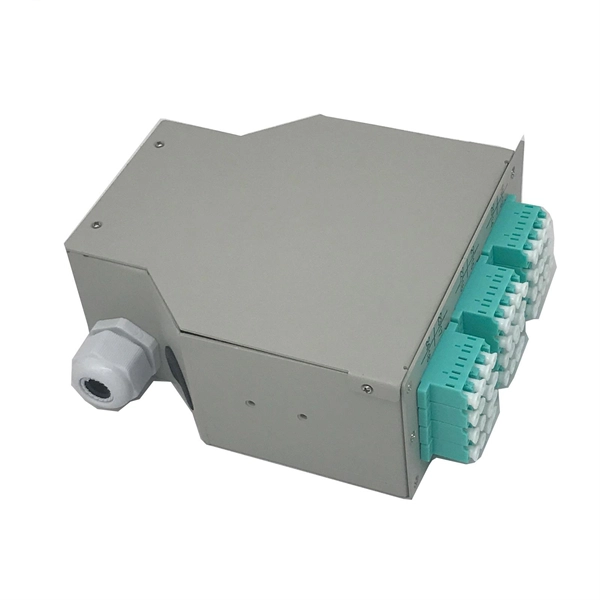
What should be used for low-voltage enclosed busbars
GRL Low-Voltage Enclosed Busbar SystemsModern power distribution increasingly relies on modular busbar systems for efficient and safe electrical wiring. A.
[PDF Version]
-
What is the normal attenuation rate of fiber optic pigtails
For single-mode fiber (the type used in long-distance and high-speed networks), typical values under normal conditions are about 0. Under ideal conditions, those numbers drop to around 0. 3-D standard lists specific limits for multimode and single-mode fibres. Q: What is...
-
What is the use of a pigtail head
A pigtail is a coiled or looped section of tubing used in piping and instrumentation systems to absorb vibration, manage thermal expansion, and protect pressure instruments from direct exposure to process media. Moreover, its curved design allows it to flex under temperature...
[PDF Version]
-
Price Difference Between Cable Trays and Buried Conduits
⚙️ Installation Speed: Cable trays are often faster and easier to install, saving labor costs. You need to decide between conduit vs cable tray cost to keep your budget tight but still ensure a reliable system. You're not alone—according to industry reports. Here are some...
[PDF Version]
-
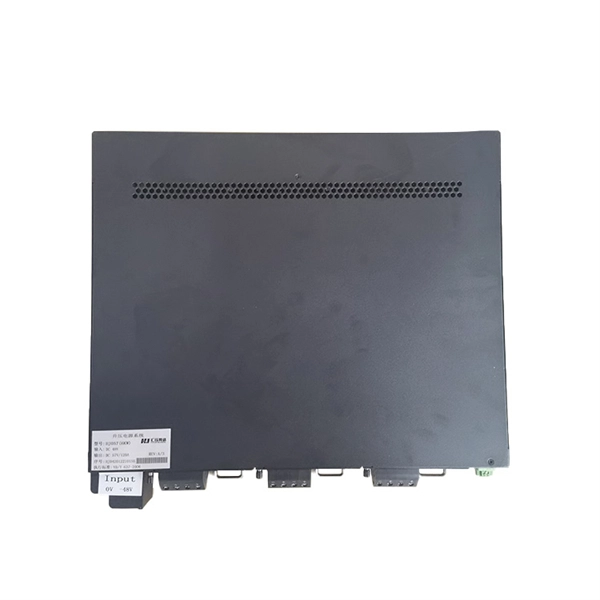
The function of parallel voltage busbars
A parallel busbar refers to a configuration where multiple conductive bars are connected in parallel to enhance current-carrying capacity and system redundancy. These busbars, typically made of copper or aluminum, serve as centralized power distribution hubs in electrical...
[PDF Version]
-
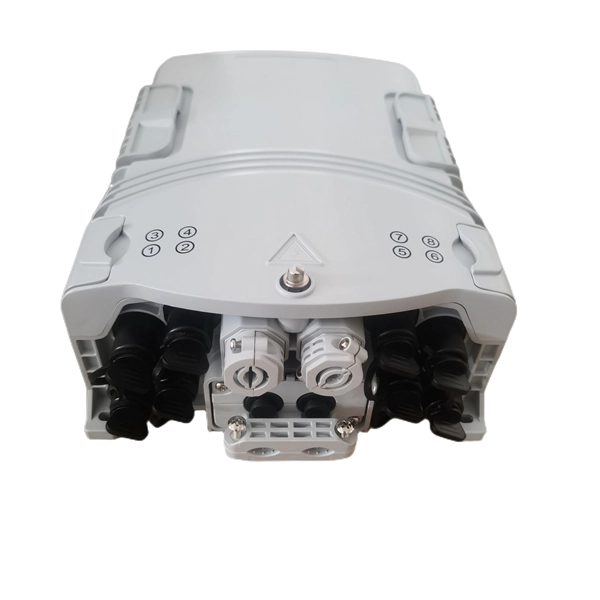
What is the value of a fiber optic access splitter
Fiber optic splitters offer a cost-effective, practical solution by dividing a single fiber line into multiple outputs. This guide delivers hands-on advice to help readers implement network expansion affordably and efficiently, transforming limited resources into scalable...
-
What is the tee joint in a cable tray shaft called
A box type cable tray tee is a fitting used to create a branching point in a cable tray system, allowing cables to be routed in three directions. Shaped like the letter "T," it provides a secure and stable connection between the main tray and the branching sections, ensuring...
[PDF Version]
-
What is a cable chain mesh tray
A Wire Mesh Cable Tray, also known as a cable management basket, is a structural support system designed to hold and manage cables across various settings. ystems support and route all types of cables. Depending on the type and version of mesh cable tray, as well as the...