
Technical notes
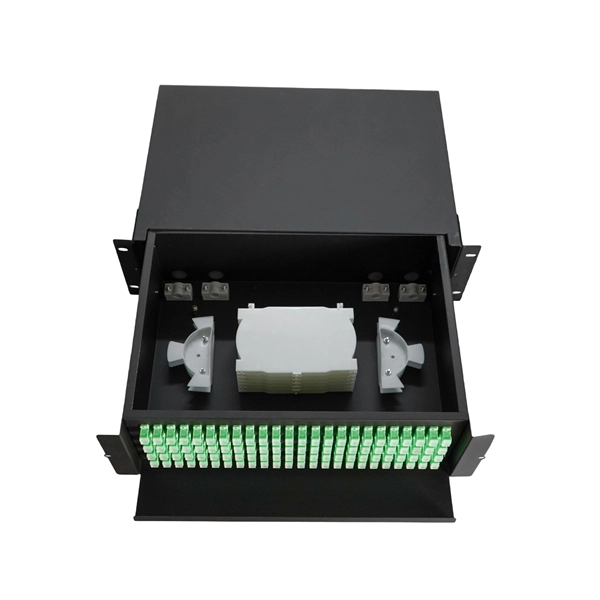
Wavelength Division Multiplexing
Wavelength division multiplexing is a multiplexing technique working in the wavelength domain. It is commonly used in the area of optical fiber
Wavelength-Division Multiplexing
1 Introduction Wavelength division multiplexing (WDM) is most deployed technology to fulfill the increasing bandwidth demand [1,2]. Tunable optical devices have proven their potential in optical
How Wavelength Division Multiplexing (WDM) Works
Wavelength Division Multiplexing achieves its capacity increase by exploiting a physical property of light: different wavelengths, or colors, can travel through the same medium independently.
Wavelength-Division Multiplexing
Wavelength-division multiplexing (WDM) is defined as a technology that multiplexes multiple optical carrier signals onto an optical fiber by using different wavelengths of laser light, enabling bidirectional
Wavelength Division Multiplexers (WDM)
Wavelength Division Multiplexing (WDM) is a technique in fiber-optic communication systems that enables multiple optical signals with different wavelengths to be combined, transmitted, and
What is Wavelength Division Multiplexing (WDM): A Technical Guide
Wavelength Division Multiplexing (WDM) stands out as a cornerstone, enabling multiple data streams to travel simultaneously over a single fiber. This guide delves into the principles, types,
Wavelength Division Multiplexing | WDM Technology in
Learn why Wavelength division multiplexing (WDM) technology carries great potential to help network operators stay ahead of growing demands
Wavelength Division Multiplexing (WDM) | Springer Nature Link
Wavelength division multiplexing or WDM allows the combining of a number of independent information-carrying wavelengths onto the same fiber, because of the wide spectral
Types of Multiplexing in Data Communications
Wavelength Division Multiplexing (WDM) is a multiplexing technology used to increase the capacity of optical fiber by transmitting multiple optical signals simultaneously over a single
Wavelength Division Multiplexing (WDM)
Wavelength Division Multiplexing (WDM) Abstract Wavelength division multiplexing or WDM allows the combining of a number of independent information-carrying wavelengths onto the same fiber,
Optically Multiplexed Systems: Wavelength Division Multiplexing
etwork-ing with advanced topologies supported with redundancy features. Historically, multiplexing had been used to share the limited bandwidth of the medium between different transmitters, but with
What is WDM : Wavelength Division Multiplexing Advantages and
Wavelength Division Multiplexing (WDM) is an optical communication technique that transmits multiple data channels through a single optical fiber using different wavelengths. Its advantages include
WDM Basics: Understanding Wavelength Division Multiplexing
WDM (Wavelength Division Multiplexing) technology is an ideal solution to get more bandwidth and lower cost in nowaday telecommunications networks. What is WDM? What benefits
Wavelength Division Multiplexing: A Comprehensive Guide
Discover the comprehensive guide to Wavelength Division Multiplexing, its role in optical properties, and its significance in modern telecommunications.
What is Wavelength Division Multiplexing?
Explore the applications, advantages, challenges, and future trends of Wavelength Division Multiplexing in modern optical communication systems.
What is WDM : Wavelength Division Multiplexing
WDM (Wavelength Division Multiplexing) is a fiber optic communication technology that transmits multiple data channels simultaneously over a single optical fiber using different wavelengths of light.
Role of Wavelength Division Multiplexing in Optical Communication
This technique, also known as wavelength-division duplexing, allows bidirectional communication over a single strand of cable. WDM describes an optical carrier that is traditionally
Understanding Wavelength Division Multiplexing (WDM)
Wavelength Division Multiplexing (WDM) is form of combining multiple signals on laser beams at various IR wavelengths transmitted through the fibre optics.
Related Video Reference
This video was associated with the source search result. Verify technical details against current product documentation and project requirements.