
Technical notes
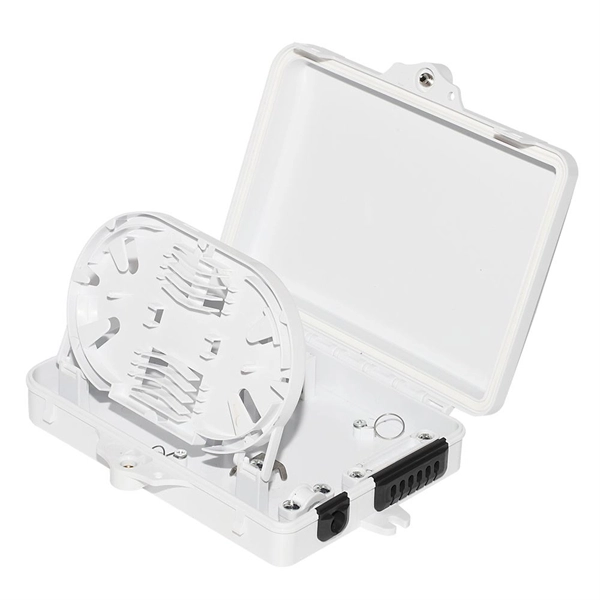
Technical Specifications for Distribution Boxes and Switch Boxes
This document sets forth technical, installation and safety specifications for distribution boxes, switch boxes and cabinets. It stipulates requirements for enclosure materials, installation dimensions, the
Transformer and Distribution Cabinet Equipment Installation
- Before trial operation, the PE bar in the cabinets, stands, and boxes should be connected, and the components'' specifications and models should meet design requirements with
IEC / BS 7671 Codes for Consumer Unit and Distribution Board
The IEC (International Electrotechnical Commission) and BS 7671 (British Standard for Electrical Installations) both provide essential requirements for electrical installations, including those for fuse
Requirements And Specifications For Installation Of Distribution Boxes
The installation requirements and specifications of Distribution box involve many aspects, including site selection, fixing method, wiring specifications and safety protection.
A Complete Guide to NEC Article 314 on Electrical Boxes and Conduit
NEC Article 314 establishes requirements for the installation and use of electrical boxes, conduit bodies, fittings, and handhole enclosures.
1926.405
Metal raceways, cable armor, and other metal enclosures for conductors shall be metallically joined together into a continuous electric conductor and shall be so connected to all boxes, fittings, and
UK Electrical Wiring Regulations: BS 7671 Guide (2025)
Who the wiring regulations apply to UK electrical wiring regulations (BS 7671) apply to anyone who designs, installs, alters, inspects or tests fixed electrical installations. They cover domestic,
Key Standards for Electrical Cabinet Wiring Practices
Discover the key standards for industrial electrical cabinet wiring, including wiring diagrams, circuit breakers, and safety practices with Groupe BEI.
International-electrical-standards-regulations
A new generation of wiring accessories for all your lighting, energy distribution, data and audio-video content, blind management, climate control and safety requirements.
Electrical Control Panels & Distribution Boxes: Sizes,
Learn about control panels, breaker boxes, junction boxes, and custom enclosures. Explore standard panel sizes, applications, and key
EDMS No. 1976873
EDMS 1976873 v.3 status Released access Restricted C-TG-GAT-en-Quality-of-switch-cabinets-and-wiring-V002.pdf modified 2020-04-23 07:38
Guide to PLC Cabinets: Types, Layout, Wiring
Learn the essentials of designing and wiring PLC control cabinets, including component selection, cooling, wiring tips, and safety standards.
International-electrical-standards-regulations
The world of electrical installations is not always straightforward. Working on an international project electrical engineers are often bewildered by the extensive amount of electrical standards and wiring
General Requirements for Wiring Methods in the NEC
Within Chapter 3 of the NEC is Article 300. This article is essentially a catchall for wiring methods not covered in each specific article within Chapter 3.
Control Panel Layout And Wiring Best Practices
The quality of the wiring methods used in an industrial control panel can vary quite widely. This article summarizes what this author believes are some best practice when it comes to control panel layout
Best Practices for Installing and Maintaining Distribution Cabinets
Proper Wiring and Connection Proper wiring and connection of the distribution cabinet are critical for the safe and reliable operation of the electrical system. All wiring should be performed
Summary of key points for construction and installation of distribution
The construction and installation points of distribution boxes and switch boxes are summarized as follows: 1. Select qualified products that meet national standards and safety requirements.
Distribution Box Guide: Types, Components & Solutions
Understand distribution boxes (DB boxes) in 5 minutes. Learn about types, components, functions, and uses. Find the perfect DB box for your needs.