
Distributed Antenna Systems Das The Definitive
Search optical fiber, connectivity, cable management and network infrastructure references.
- Distributed
- Antenna
- Systems
Articles and technical references
7 on this page-
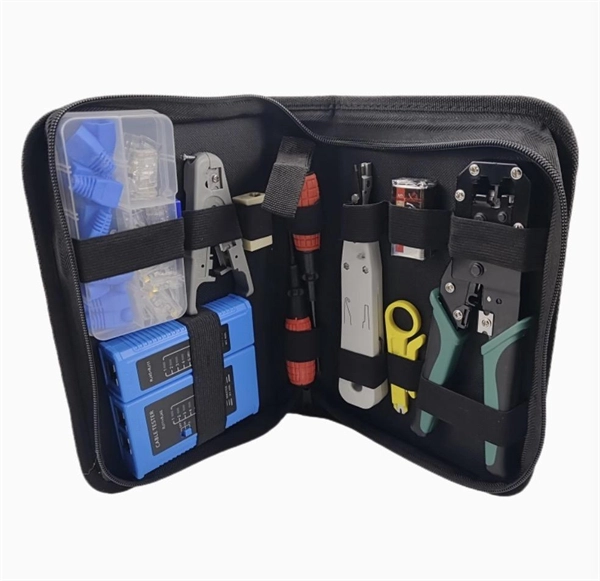
Analysis of Fiber Optic Communication Systems
Optical Fiber Communication (OFC) revolutionizes modern telecommunications, enabling rapid data transfer across long distances with minimal signal loss. This comprehensive review explores OFC's historical evolution, core principles, components, and versatile applications. It...
[PDF Version]
-
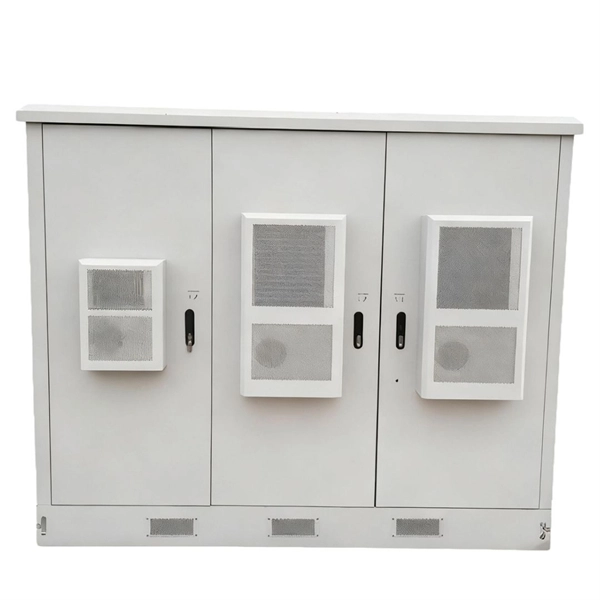
Low-loss hybrid energy systems for smart cities
This paper proposes a scenario-based modeling framework for urban hybrid energy systems combining small modular reactors (SMRs), photovoltaic (PV) generation, and battery storage within a smart grid architecture. SMRs offer compact, low-carbon, and reliable baseload power...
[PDF Version]
-
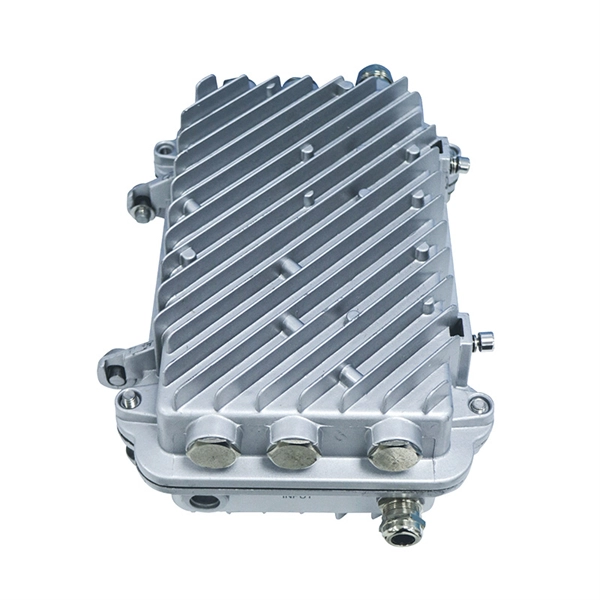
DFB Distributed Feedback Laser OSFP
Covering NIR to LWIR wavelengths (750nm–17µm), these lasers feature integrated DFB gratings and TEC cooling for robust thermal management and low-noise performance across diverse conditions. A distributed feedback (DFB) laser is a laser where the optical resonator is formed...
[PDF Version]
-
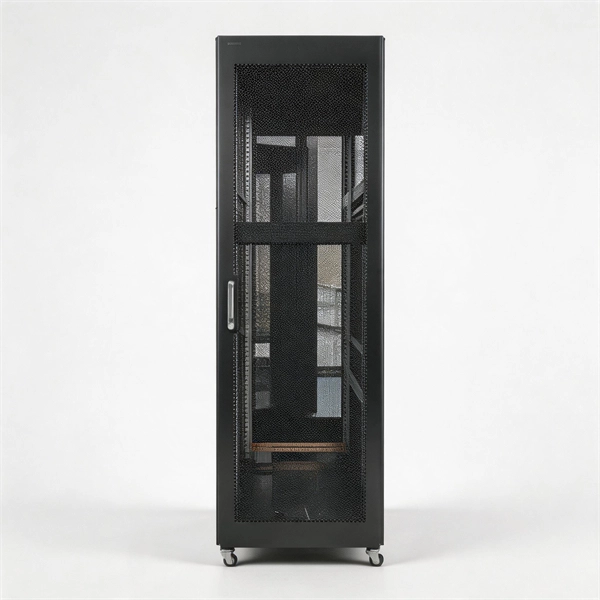
Power fiber optic communication systems include
Modern fiber-optic communication systems generally include optical transmitters that convert electrical signals into optical signals, to carry the signal, optical amplifiers, and optical receivers to convert the signal back into an electrical signal. The information...
-
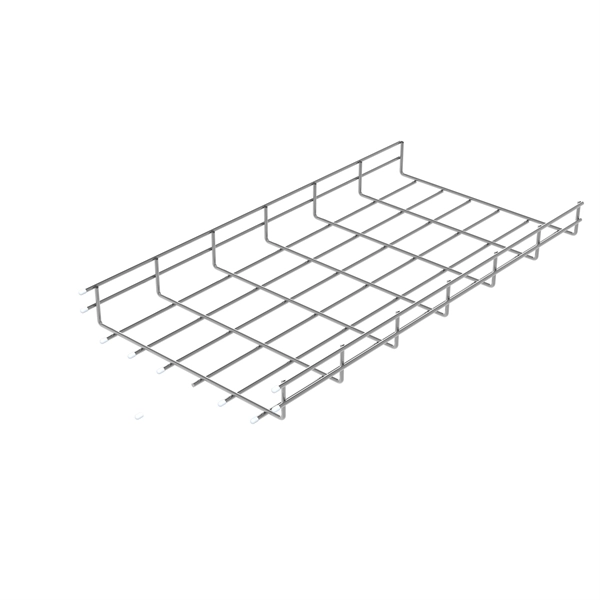
How is electricity distributed in the indoor distribution box
A distribution box takes electricity from the main supply and channels it into multiple circuits. The circuit breakers or fuses inside the box cut the power to a circuit if an overload or short circuit occurs, preventing damage to the electrical system and reducing the risk...
-
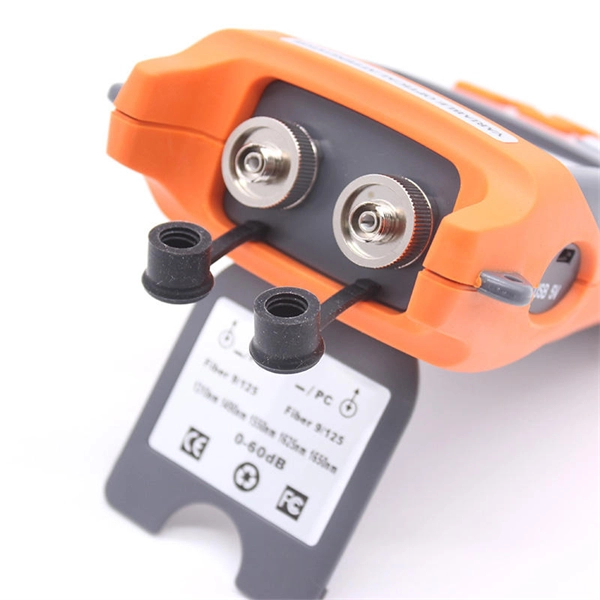
How much is the fixed spacing at the bottom of the cable tray
Support spacing for cable trays must align with the manufacturer's instructions, as outlined in NEC 392. Generally, standard trays require supports every 6 to 10 feet, while heavy-duty, long-span trays can handle distances of up to 20 feet between supports. The spacing...
-
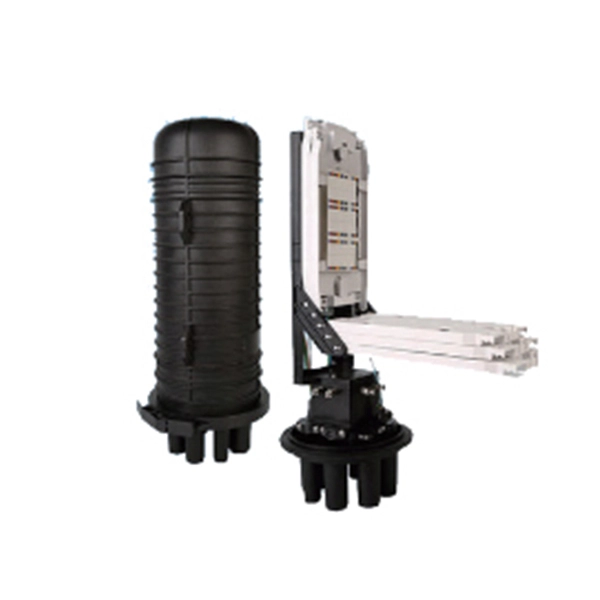
Cable trays for low-voltage electrical systems need to be inspected
One of the advantages of cable tray systems is ease of inspection and modification, but this requires a structured maintenance approach: Perform periodic visual inspections to check for signs of corrosion, mechanical damage, loose supports, or overloaded sections. Cable trays...
[PDF Version]