
Technical notes
Interconnection of grounding for lightning protection and grounding for
Your distribution box is mission control for electricity in any building. When grounding fails here, it''s like having a spaceship without a heat shield—everything inside becomes vulnerable to
GROUND GRID SPECIFICATIONS
Each Power Circuit Breaker or Power Transformer having a bushing Voltage Transformer on the tank shall have the Voltage Transformer provided with a separate ground lead, independent of the
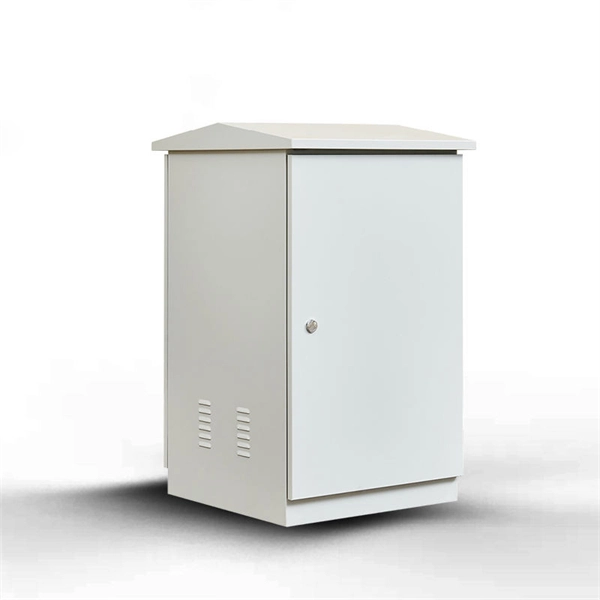
Outdoor Electrical Distribution Box Specifications: NEC Article 312
This specification guide provides system designers, electrical engineers, and procurement professionals with the technical criteria needed to select compliant outdoor electrical
The installation requirements for the distribution box
What are the safety rules for wiring a distribution box? Follow proper grounding, use the correct wire gauge, and make sure all connections are tight and well-insulated.
How Grounding Prevents Electrical Damage in Outdoor Spaces
One of the most effective ways to protect outdoor electrical systems is through proper grounding. This article explores how grounding prevents electrical damage in outdoor spaces, why it
Cable and grounding requirements in lightning protection systems
Why should you care? Because without proper cable management and grounding, that million-dollar equipment you''re protecting might as well be holding a "Fry Me" sign during a storm.
Lightning Protection: Systems, Grounding & Surge Protection
A complete lightning protection system also needs conductors, bonding connections, grounding electrodes, and coordinated surge protection for incoming power and communication lines.
Grounding and Lightning protection as per NFPA 780 & 70.
The main objective of this post is to creating both Lighting Protection plan & grounding system plan with a good knowledge of standard references. NFPA 780 (Lightning Protection) BRIEF.
Best Practice in Lightning Protection for Distribution
As demand for reliable power continues to grow worldwide, improving the lightning reliability of distribution systems becomes more and more common.
LIGHTNING PROTECTION AND GROUNDING
Metal Oxide Varistor (MOV) arresters are normally used for protection of overhead distribution circuits or equipment where conditions warrant (e.g. high ground resistance or retrofitting shielded circuits with
Grounding for Power Distribution and Lightning Protection Systems
Power System Earthing Earthing for Low-Voltage Distribution System Lightning Protection The Earth Connection Types of Earth Electrodes Design of Earth Electrodes and their Layout Measurement of
SECTION 260526
Bond electrical power system ground directly to lightning protection system grounding conductor at closest point to electrical service grounding electrode. Use bonding conductor sized same as system
Outdoor Electrical Distribution Box Specifications: NEC
Complete specification guide for outdoor electrical distribution boxes covering NEC Article 312 requirements, NEMA ratings, sizing calculations, and
Substation Lightning Protection Grounding: Installation Guide
Master substation lightning protection grounding. Learn installation processes, essential standards, and the benefits of pure copper for enhanced safety and reliability.
LPI-175 / 2023 Edition
Properly made ground connections are essential to the effective functioning of a lightning protection system, as they serve to distribute lightning into earth ground.
05. Bonding and Grounding
Again, the primary reason is personnel safety, and the secondary reason is equipment protection. 1 When it comes to grounding, we need to consider two types of grounding: low-impedance grounding
Lightning Protection Overview
A passive grounding system like lightning protection is not easily assessed by laymen – you can''t flip a switch or turn on a faucet to see if it is in
Nine Recommended Practices for Grounding
Bond all metal enclosures, raceways, boxes, and equipment grounding conductors into one electrically continuous system. Consider the installation of an equipment grounding conductor of