
Ground Grid Specifications
Search optical fiber, connectivity, cable management and network infrastructure references.
- Ground
- Grid
- Specifications
Articles and technical references
7 on this page-
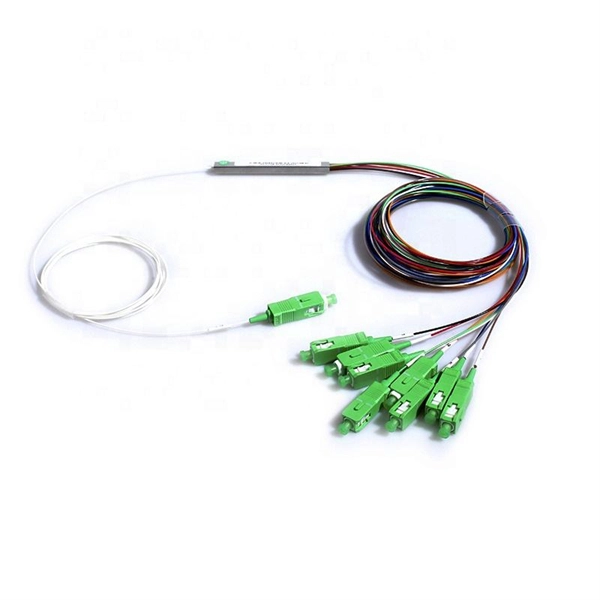
Specifications of Grid Cable Tray Lifting Screws
GUIDE CABLE TRAYS TECHNICAL NEMA VE 1-2017 Specifies requirements for metal cable trays and associated fittings designed for use in accordance with the rul.
[PDF Version]
-
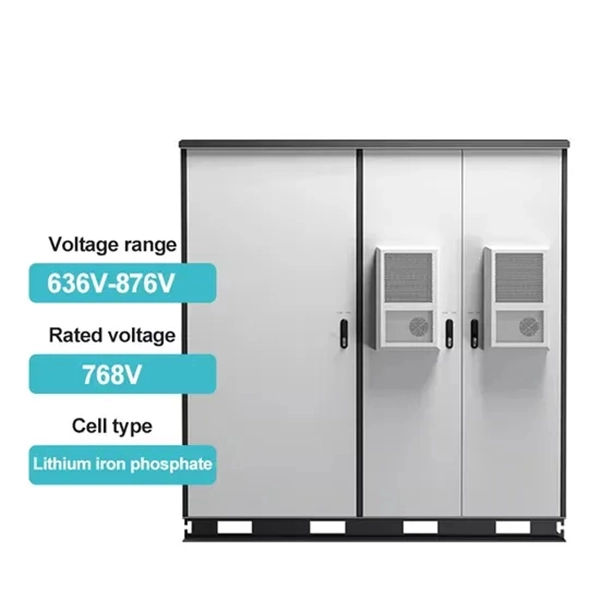
Cable tray partition specifications and weight
The Cable Tray Weight Calculation involves considering various factors, including tray specifications, material, and thickness. In this guide, we'll walk you through the step-by-step process for calculating cable tray weight, while providing examples for both channel. Not all...
[PDF Version]
-
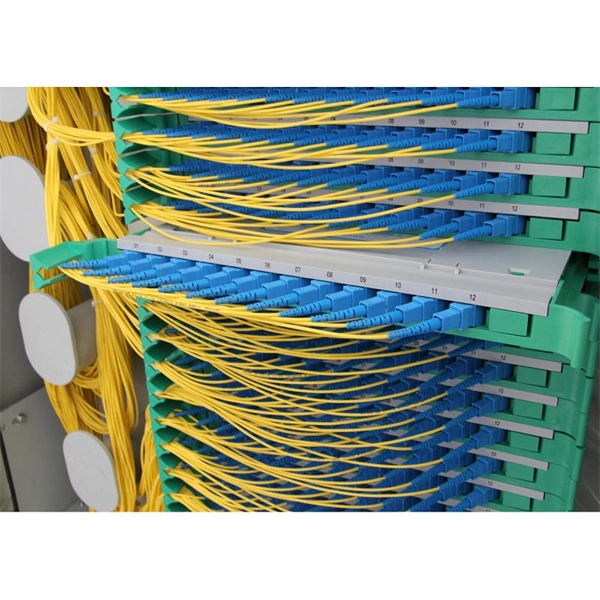
No distribution box specifications available
This publication contains the following new or updated information. This list includes substantive updates only and is not intended to reflect all changes.
-
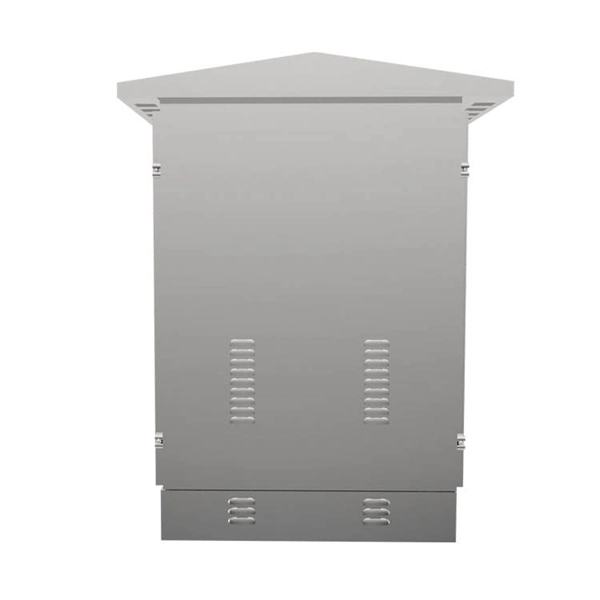
How to ground a cable tray with weak points
If a wire mesh cable tray is supporting cable with a built-in equipment grounding conductor or control or signal cables, then the tray should have a low impedance path to a non-system ground to reduce noise and remove induced or stray currents. All metallic cable trays shall...
[PDF Version]
-
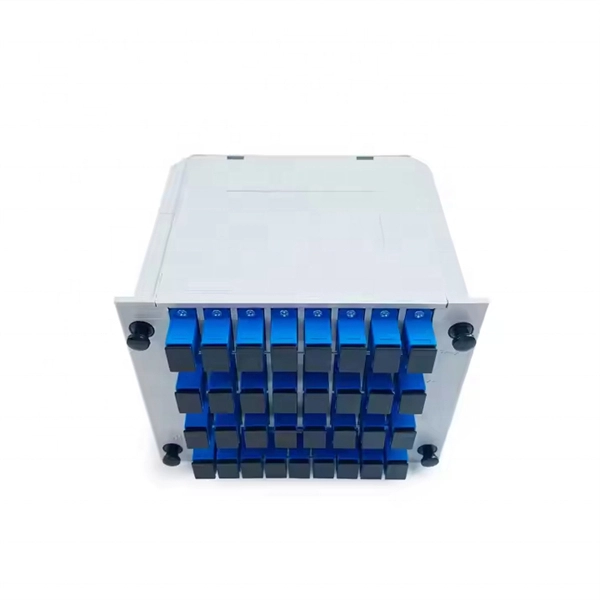
Pigtail Specifications and Connection Methods
This manual provides a comprehensive study of pigtail cable assemblies that includes how they are made, what they do, and why we need them. By explaining what types of connectors are usually used together with these cables, we can understand better why connections need to. A...
[PDF Version]
-
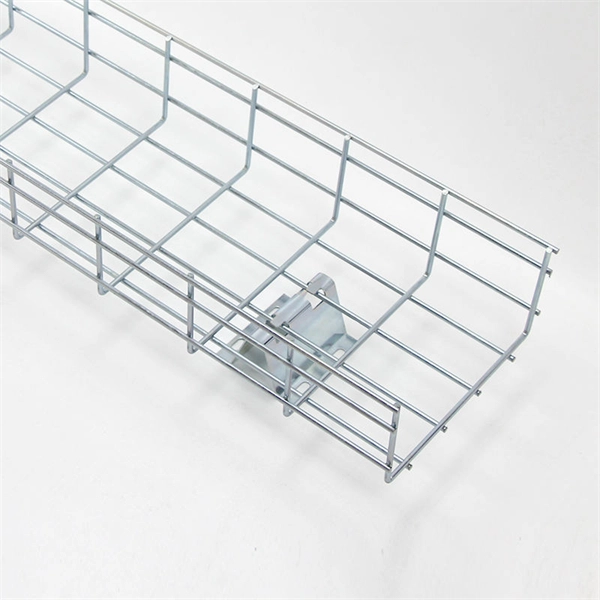
Specifications for electrical cable trays in basements
The primary rulebook used in the safe use of cable trays is NEC Article 392. This is a description of how to select, install, and support these metal or plastic frames, on which electrical wires are installed. The mechanical and electrical characteristics, tests...
[PDF Version]
-
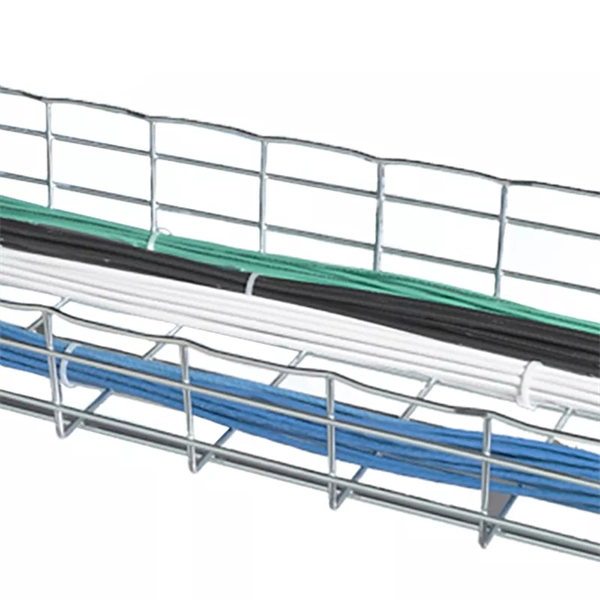
High-precision optical attenuators for power grid private networks
The types include VOAs made of 2D MEMS having good repeatability and low cost; VOAs made of 1D MEMS having >70 dB high attenuation; VOAs made of fiber directly coupled to fiber MEMS having ultra-low loss <0. Unlike fixed attenuators, which provide a constant loss, VOAs allow...