Skip to content
QK FIBERSystems Send a project enquiry
Reference library

Fiber Optic Cable Line Faults and Troubleshooting Methods

Published
  • Fiber
  • Optic
  • Cable
Source context

AI source overview

Fiber optic cable faults are typically caused by physical damage, contamination, equipment failures, or environmental factors, and can be effectively diagnosed and resolved using systematic troubleshooting and specialized tools.

Common Causes of Fiber Optic Faults

Physical Damage: Cuts, bends, kinks, or rodent damage can break or attenuate the fiber signal, leading to complete or intermittent outages.

Connector and End-

Face Contamination: Dust, oil, or residue on connectors increases insertion loss and reflectance, often causing intermittent errors or signal degradation. Equipment Failures: Faulty transceivers, switches, routers, or media converters can disrupt signal transmission. Configuration Errors: IP conflicts, incorrect routing, or outdated firmware may result in connectivity issues.

Environmental Factors: Temperature extremes, moisture ingress, or improper cable routing can degrade performance.

Symptoms of Fiber Optic Issues

Intermittent connectivity or high bit error ratesReduced signal strength or high insertion lossComplete network outagesWavelength-dependent loss or signal distortionLoss of signal (LOS) indicators on transceiversTroubleshooting StepsVisual Inspection: Check cables for visible damage, sharp bends, or loose connectors. Inspect end-faces with a fiber microscope. Cleaning Connectors: Use lint-free wipes, isopropyl alcohol, or specialty cleaning tools to remove contamination.

Follow an inspect → clean → inspect → mate workflow. Testing Signal Strength: Use a power meter or Optical Time-Domain Reflectometer (OTDR) to measure signal loss and locate faults. Values outside -15 dBm to -30 dBm may indicate issues.

Check Transceivers and Modules: Swap suspect transceivers with known-good units and reboot devices to resolve temporary glitches. Configuration Verification: Ensure firmware is up-to-date, IP addresses are correct, and routing is properly configured. Advanced Diagnostics: Use Visual Fault Locators (VFL) for visible breaks or bends, and network monitoring tools like Wireshark or PRTG to identify traffic bottlenecks.

Preventive Measures

Regular inspection and cleaning of connectorsProper cable routing to avoid tight bends and stressUse of high-quality connectors and compatible componentsEnvironmental protection against moisture and temperature extremesRoutine testing with OTDR and power meters to detect early degradationSummaryEffective fiber optic troubleshooting requires a systematic approach: start with simple visual inspections and cleaning, progress to signal testing and equipment checks, and use advanced tools for persistent issues. Understanding the causes, symptoms, and proper use of diagnostic tools ensures network reliability, minimal downtime, and optimal performance.

Research context

Reference summary

Fiber Optic Troubleshooting: Expert Guide for Common IssuesTroubleshoot fiber optic issues like a pro with our expert guide. Resolve common problems and en.

From reference to enquiry

Questions for your project

Use these editorial prompts alongside the linked excerpts. They identify items to confirm for your project.

Technical notes

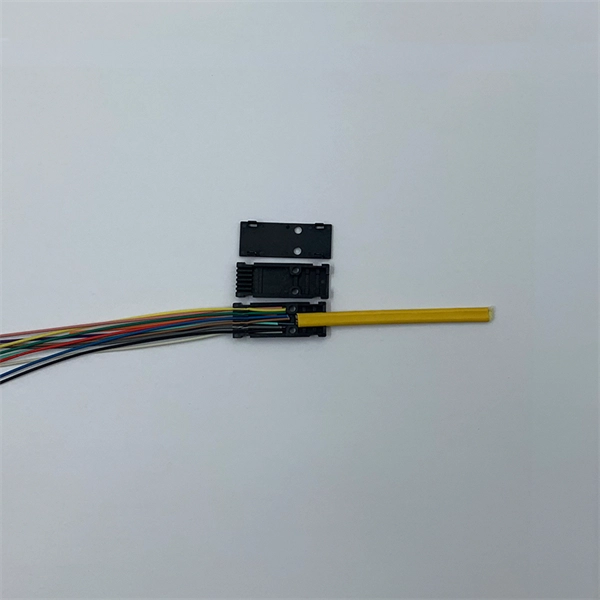
Illustrative equipment image

Fiber Optic Troubleshooting: Expert Guide for Common Issues

Troubleshoot fiber optic issues like a pro with our expert guide. Resolve common problems and ensure seamless connectivity.

Fiber Optic cable Series-

1. Overview2.3 Fault Handling Tools and Instruments3.2 Confirm the Scope and Type of the Fault3.3 Fault Localization3.4 Fault Exclusion3.5 Confirm If the Fault Has Been RectifiedThis document presents a troubleshooting guide for fiber optic cables once deployed and in regular use. It also includes a list of common fault location items. Maintenance personnel can refer to this document for step-by-step troubleshooting when dealing with faults arising from the following sources.See more on resource.fs wolontek

Common Fiber Optic Cable Problems And How To Troubleshoot Them

A well-built fiber link rarely fails, but when it does the symptoms can be short, confusing, and expensive to chase. This guide lists the actual, field-proven problems technicians encounter most often and

Fibre Optic Cable Troubleshooting Guide: Common Issues and Solutions

In this comprehensive guide, we''ll explore common fibre optic cable issues encountered in network installations and provide practical solutions for troubleshooting and resolving these issues

Fiber Network Troubleshooting – Common Issues & Fixes

Learn how to troubleshoot fiber networks. Identify common issues like high loss, dirty connectors, and signal drops, with practical solutions for optical links.

White Paper: Troubleshooting Fiber

Problems within a fiber link can occur due to a wide variety of reasons. A very common problem is that a connector is not fully engaged - often hard to notice in

Optical fiber optical cable line failure positioning

Positioning and identifying failures in an optical fiber cable line is crucial for maintaining the integrity and efficiency of the network. The following are key methods and techniques used for optical

The Ultimate Fiber Troubleshooting Bible for Beginners 2025

Solve fiber troubleshooting issues fast with step-by-step tips for beginners. Keep your fiber optic network reliable and fix common internet problems easily.

Fiber Optic Troubleshooting: Essential Tips for Fast

Understanding how to effectively pinpoint and rectify these problems is crucial for maintaining network integrity and performance. This comprehensive

How to Identify & Prevent Optical Fiber Cable Damage

Learn how to detect and repair damaged fiber optic cables. Visual checks, OTDR testing, IEC compliance, and waterproof maintenance tips for

Troubleshooting fiber

So you''ve replaced your copper cables with fiber optics, but now you''re having problems. Learn how to troubleshoot faults in fiber optic cables,

Developments in Optical Fiber Network Fault Detection Methods: An

However, there are decisive challenges facing optical fiber networks represented in the reliable detection of malfunctions and location, as any malfunction can lead to service interruption and data loss, in

Fiber Optic Issues: Troubleshooting & Prevention Tips

Solve common fiber optic network problems—attenuation, damage, connector issues. Learn troubleshooting steps, tools, and prevention to ensure

What are the most common fiber optics problems?

Compared to copper-based Internet, fiber optic communications can accommodate noticeably higher data rates with lower loss levels in the

The Complete Guide to Fiber Testing for Continuity: Methods and Tools

Fiber optic continuity testing is vital for verifying cable integrity, and preventing data transmission issues caused by breaks or blockages. The three main methods for fiber optic testing

Fiber Optic Troubleshooting: Essential Tips for Fast

Master fiber optic troubleshooting with our expert guide. Learn to fix, and prevent network issues effectively for peak performance.

Fiber Network Troubleshooting Guide: Common Issues and Solutions

When issues like signal loss, slow speeds, or intermittent connectivity arise, systematic troubleshooting is key. This guide will walk you through diagnosing and resolving common fiber

Common Fiber Optic Cable Problems And How To Troubleshoot Them

Most real-world faults are prevented or fixed by neat cable management, clean end-faces and a disciplined, documented test workflow. Stick to that sequence and you''ll resolve the majority of

Fiber Optic Troubleshooting and Monitoring

Introduction Driven by demand for more bandwidth and faster speed, fiber optics are replacing copper wire communications because of its many advantages over copper. Cable based methods for data

Related Video Reference

This video was associated with the source search result. Verify technical details against current product documentation and project requirements.

6 questions about “Fiber Optic Cable Line Faults and Troubleshooting Methods”

How can one identify a broken fiber optic cable?

To identify a broken fiber optic cable, start by performing a visual inspection for any physical signs of damage, such as bends, cracks, or breaks...

What methods are used to test fiber optic cables without a tester?

There are several methods to test fiber optic cables without a tester. One method is using a visual fault locator (VFL), as mentioned earlier, to v...

What are the causes of intermittent fiber optic connections?

Intermittent fiber optic connections can be caused by a variety of factors, including: Poorly terminated connectors or splices that result in unsta...

How does end face contamination impact fiber optic performance?

End face contamination negatively impacts fiber optic performance by increasing signal loss, reflection, and scattering. Contaminants such as dirt,...

What factors contribute to fiber optic degradation?

Fiber optic degradation can be caused by several factors, such as: Physical stress on the cable, including bending, twisting, or crushing, which ma...

How can I resolve issues when my fiber internet is not functioning?

When your fiber internet is not functioning, follow these steps to resolve the issue: Verify that all connections are secure and properly seated, i...

Share your network requirements

Share the fiber interfaces, termination capacity, cable route and evidence required for handover.

Send a project brief