
How can one identify a broken fiber optic cable?
To identify a broken fiber optic cable, start by performing a visual inspection for any physical signs of damage, such as bends, cracks, or breaks...
Search optical fiber, connectivity, cable management and network infrastructure references.
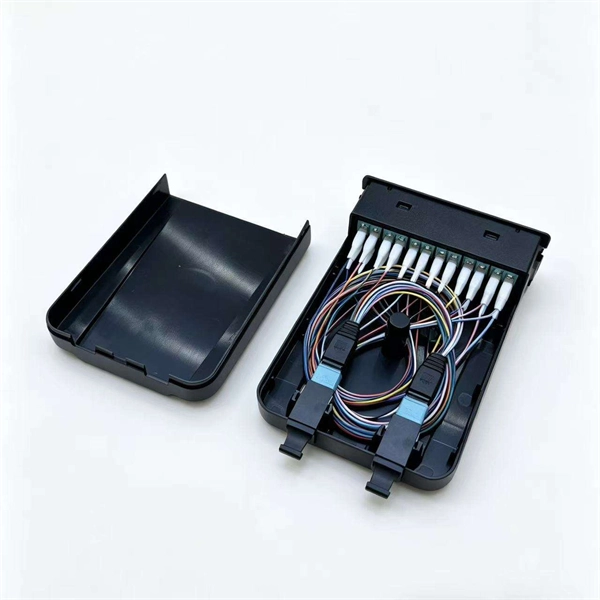
Fiber optic testing tools are essential for ensuring network reliability, performance, and proper installation. Devices such as Optical Power Meters, OTDRs, and Visual Fault Locators help technicians measure signal loss, locate faults, and verify fiber integrity. The simplest...
[PDF Version]
Fiber Optic Troubleshooting: Expert Guide for Common IssuesTroubleshoot fiber optic issues like a pro with our expert guide. Resolve common problems and en.
[PDF Version]To identify a broken fiber optic cable, start by performing a visual inspection for any physical signs of damage, such as bends, cracks, or breaks...
There are several methods to test fiber optic cables without a tester. One method is using a visual fault locator (VFL), as mentioned earlier, to v...
Intermittent fiber optic connections can be caused by a variety of factors, including: Poorly terminated connectors or splices that result in unsta...
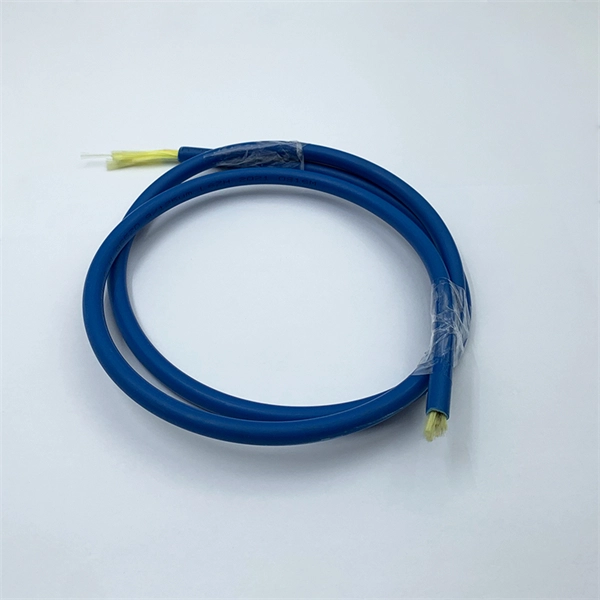
Discover 16 core fiber optic cable for reliable data transmission. Explore durable, CE-certified solutions with G652D fiber and armored outdoor protection. D compliant low water peak grade and offers OS2 performance and OS1 backwards compatibility. These compact, lightweight...
[PDF Version]
Yes, fibre optic cables can be extended by using splice closures or optical connectors to join multiple cables together. This allows for longer distances to be covered without loss of signal quality. How do you extend your network? If you get your hands on a Pre-terminated...
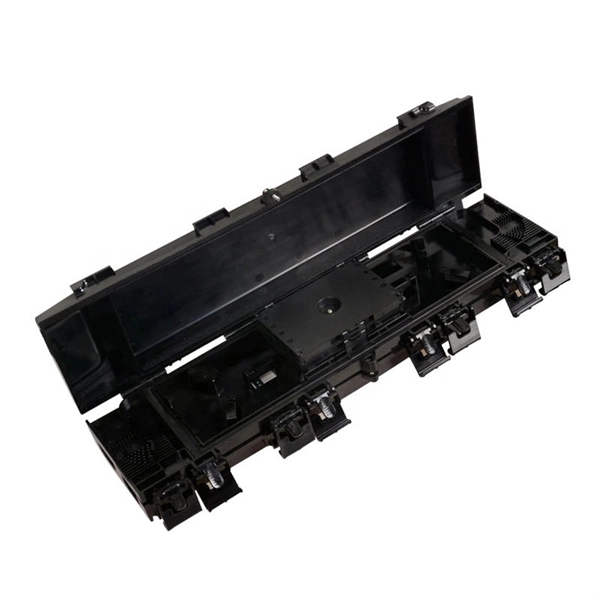
This 6 fiber outside plant armored cable is OM4 and features 250um fibers. Tested in accordance with TIA 455 series, FOTPS for fiber optic cables, ICEA 640, Telcordia GR-20 IEC 60794-3-11, RUS 7 DVR 1755 (PE90 listed), RoHS directive is not applicable When you order products...
[PDF Version]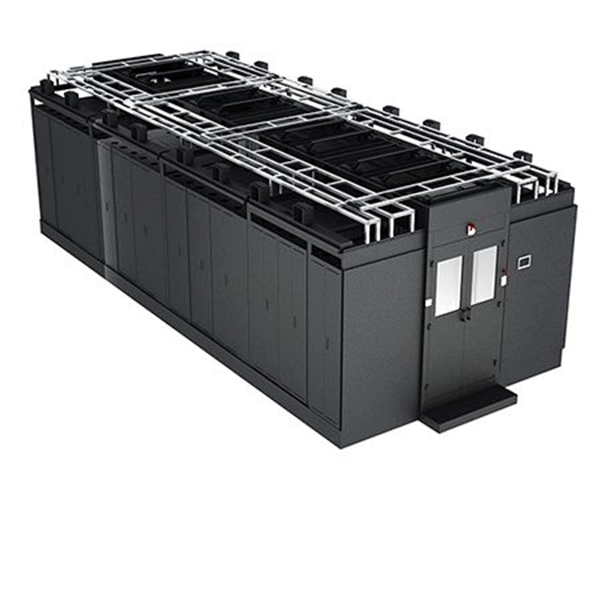
The type-B polarity MTP cable meaning is to use a key-up connector on both ends of the cable. This cable assembly can be used to plug directly between your 40G QSFP+ optic transceivers. Fiber optic cables use light to transmit data, whereas traditional cables rely on...
[PDF Version]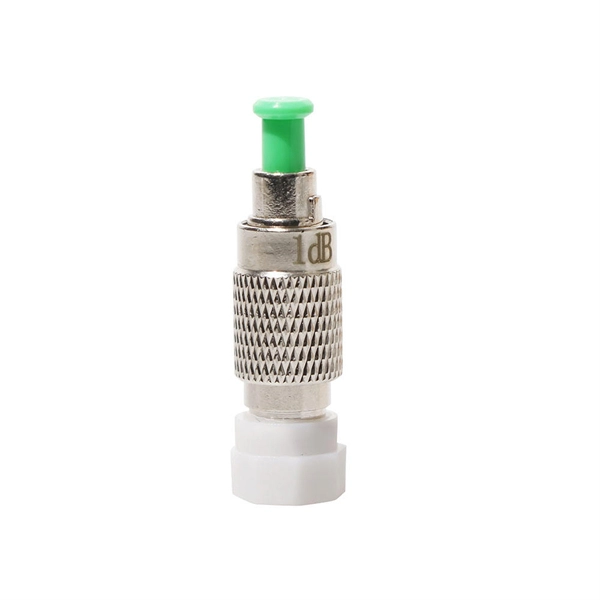
They are of the two main categories: single-mode for high-speed transfer over long distances and multi-mode for shorter lengths within buildings or campuses. Other variations are loose-tube and tight-buffered for varying types of environments. In high-speed network...
[PDF Version]Share the fiber interfaces, termination capacity, cable route and evidence required for handover.