
Fiber Optic Color Code Complete Guide 2026
Search optical fiber, connectivity, cable management and network infrastructure references.
- Fiber
- Optic
- Color
Articles and technical references
8 on this page-
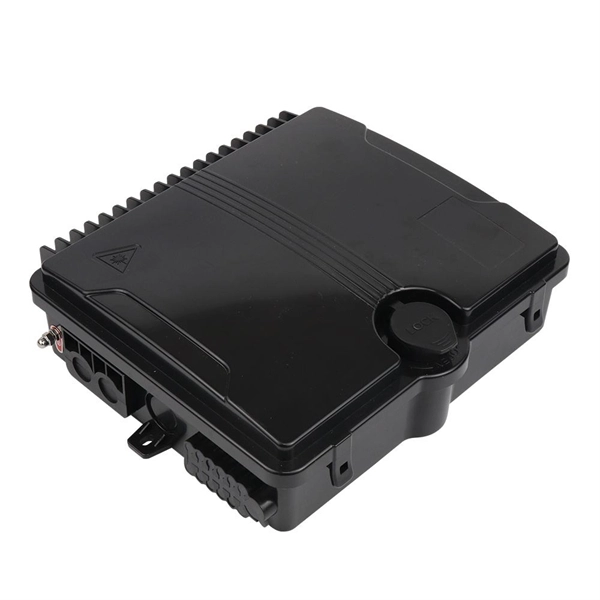
Fiber optic cable splice color connector
In use, SC fiber optic connectors are typically duplex and color-coded (blue for single-mode, beige for multimode, green for APC). They exhibit very low back-reflection and insertion loss after polishing. Fibre optic cables can be used in a huge variety of applications, from...
[PDF Version]
-
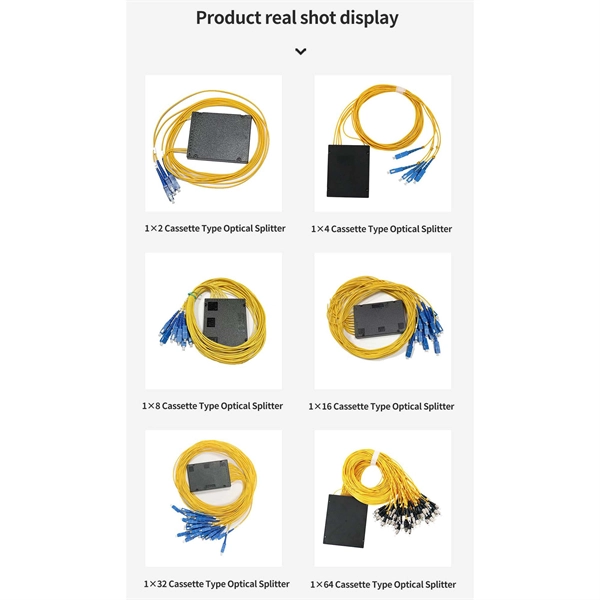
Fiber Optic Cable Color Matching Diagram
Fiber Optic Color Code: The Ultimate TIA-598-C Guide Master the TIA-598-C fiber optic color code standard. Read our complete guide and use our free interac.
[PDF Version]
-
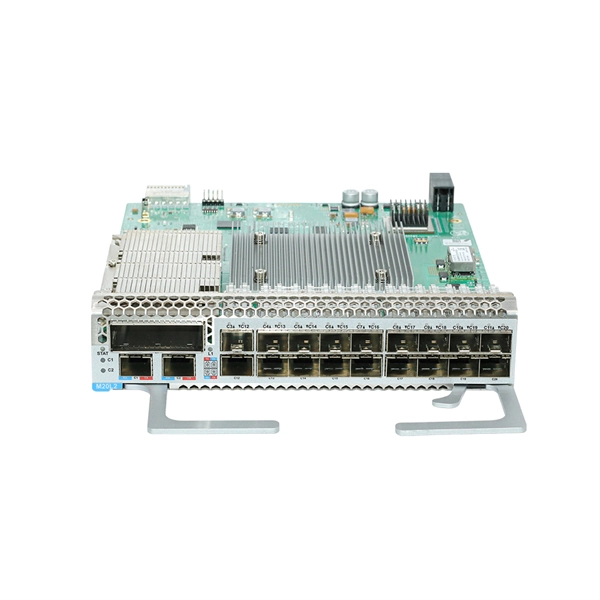
Fiber Optic Switch Configuration Guide
How to configure fiber optics on a Cisco switch By following this step-by-step guide, you'll be able to configure your Cisco switch for fiber optics. It's.
[PDF Version]
-

The Role of Fiber Optic Color Sensors
How fiber optic sensors detect color Fiber optic sensors rely on optical principles to detect object properties such as reflection and scattering. They can.
[PDF Version]
-
Fiber Optic Cable Color Number Pair Sequence
Here's the complete standard sequence: The numbers 1-12 correspond to Blue, Orange, Green, Brown, Slate, White, Red, Black, Yellow, Violet, Rose, Aqua. This is the core foundation of nearly all fiber optic color coding. WolonFiber's 12-Color Fiber Optic Pigtail Packs are...
[PDF Version]
-
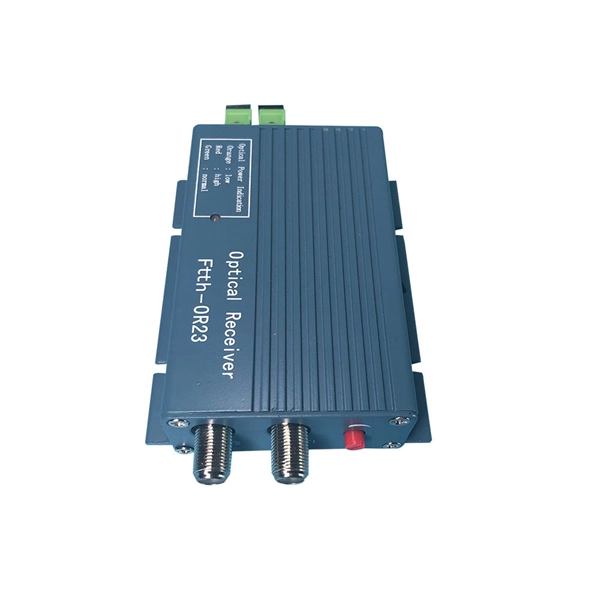
Color sequence of 12 cores in fiber optic cable
Fiber Optic Color Code: The Ultimate TIA-598-C Guide What is the standard 12-color sequence for fiber optics? Under the TIA/EIA-598-C standard, the univers.
[PDF Version]
-
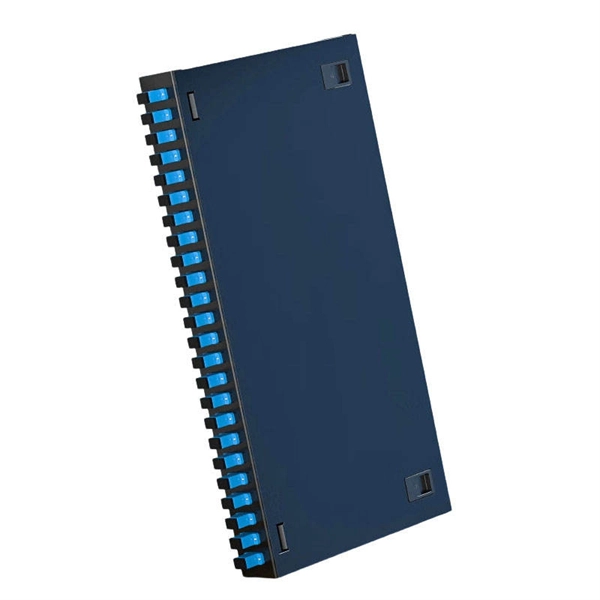
Fiber Optic Fusion Splicing Equipment Purchase Guide
Fusion Splicer Buying Guide: What to Look For in 2026A fusion splicer is the most expensive tool in a fiber technician's kit. Choosing the right one means.
[PDF Version]
-
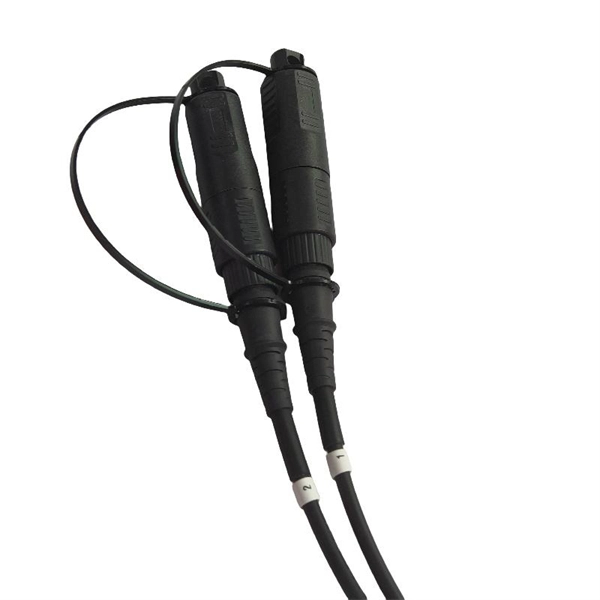
Power of Fiber Optic Acoustic Sensing System
Fiber-optic distributed acoustic sensing (DAS) promises great application prospects in smart grids due to its superior capabilities, including resistance to electromagnetic interference, long-distance coverage, high sensitivity and real-time monitoring. This highly sensitive...
[PDF Version]