
Fiber Optic Splitter Working Principle An Overview
Search optical fiber, connectivity, cable management and network infrastructure references.
- Fiber
- Optic
- Splitter
Articles and technical references
9 on this page-
Working principle of fiber optic circulators
An optical circulator is a three- or four-port designed such that entering any port exits from the next. This means that if light enters port 1 it is emitted from port 2, but if some of the emitted light is reflected back to the circulator, it does not come out of port 1 but...
-
Fiber Optic Splitter Conversion Principle
The commonly seen Fiber Optic Splitters include PLC Fiber Optic Splitter and FBT Splitter. Fiber optic splitters are essential passive devices in modern optical communication systems, enabling the division of a single light signal into multiple outputs or combining multiple...
[PDF Version]
-
Working principle of fiber optic single-mode coupler
These passive components are made by joining two separate optical fibers that work on the principle of coupling between parallel optical waveguides. Their claddings are fused over a small area. This tab provides a brief explanation of how we determine several key...
[PDF Version]
-
Working Principle of the Fiber Optic Temperature Sensor in Afghanistan
The principle of operation is based on the temperature dependence of the bandgap of GaAs. The GaAs crystal fixed on the tip of the fibre will be transparent at a wavelength above 850 nm. The position of the band edge is temperature-dependent and is shifted about 0.4 nm/K. The...
[PDF Version]
-
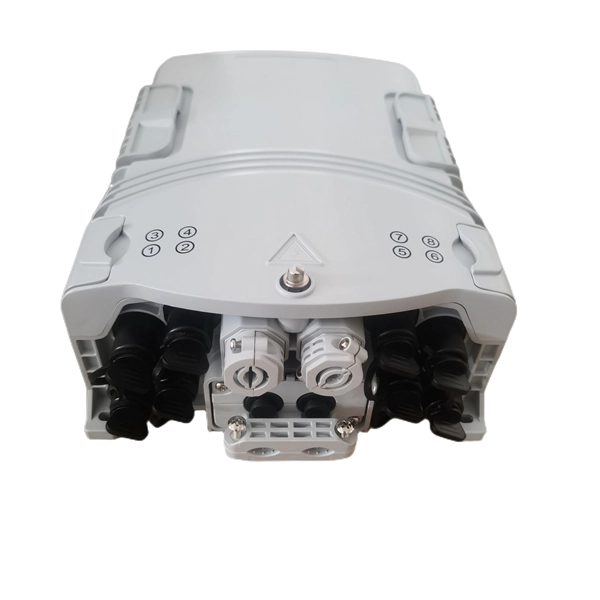
What is the value of a fiber optic access splitter
Fiber optic splitters offer a cost-effective, practical solution by dividing a single fiber line into multiple outputs. This guide delivers hands-on advice to help readers implement network expansion affordably and efficiently, transforming limited resources into scalable...
-
Principle of Polarization Modulation in Fiber Optic Sensors
Polarization Modulation is a crucial technique in the realm of optical sensors, enhancing their accuracy and sensitivity. Polarization scramblers are devices which are widely used to reduce or eliminate the degree of polarization of a light beam — that is, to convert...
[PDF Version]
-
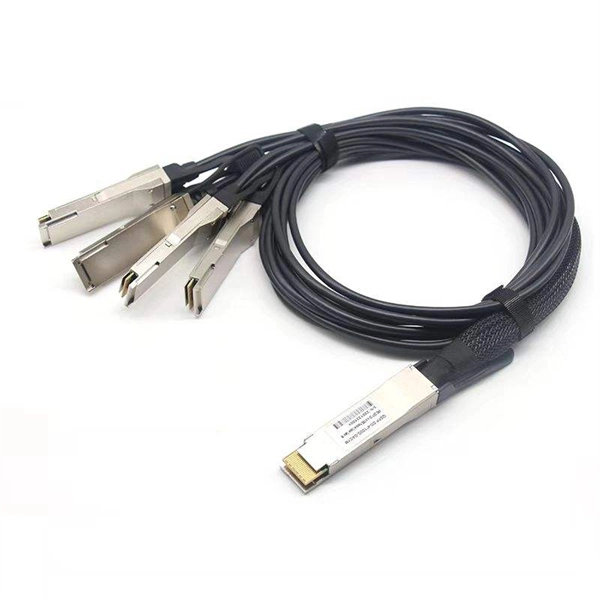
Fiber Optic Light Transmission Principle
Fiber optics work by using total internal reflection to guide light through thin glass or plastic fibers. Light entering the fiber at angles greater than the critical angle reflects off the fiber walls, bouncing along the fiber without escaping. An optical fiber is comprised...
-
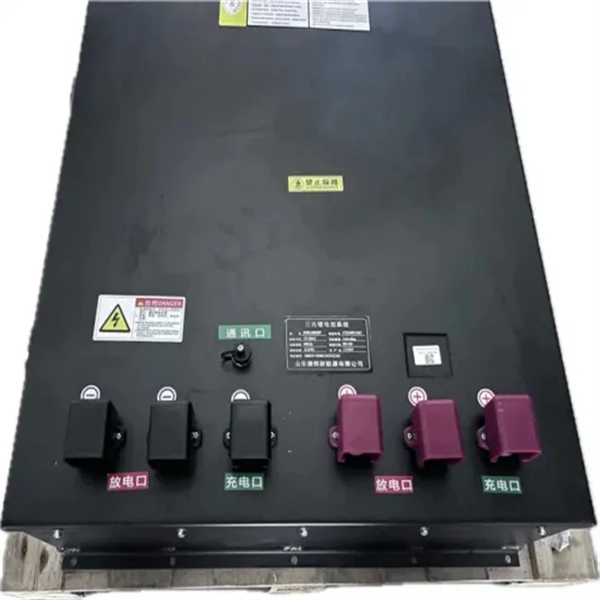
Telecommunication Fiber Optic Cable Splitter
A fiber-optic splitter, also known as a, is based on a of an integrated waveguide power distribution device, similar to a The system uses an optical signal coupled to the branch distribution. The splitter is one of the most important in the link. It is an optical fiber tandem...
-
Working Principle of Non-Contact Fiber Bragg Grating Sensors
A Fiber Bragg Grating (FBG) reflects a specific wavelength of light, which shifts in response to variations in temperature and/or strain. The refractive index is permanently changed according to the exposed light intensity. This is achieved by creating a periodic variation in...
[PDF Version]