
Technical notes
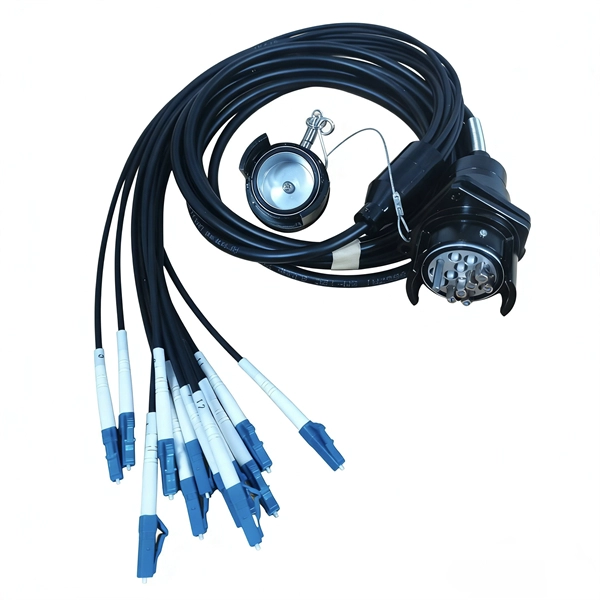
Fiber Optic Color Code: The Ultimate TIA-598-C Guide
Since the earliest days of fiber optics, multimode cables have typically been color‑coded orange, black, or gray, while single‑mode cables are marked in yellow.
Fiber Color Code: The Ultimate Guide to TIA-598
The TIA-598 standard (specifically the current 598-D revision) exists to prevent two major issues: Mode Mismatch: Plugging multimode into a single
Fiber Optic Cable Colors Explained: Yellow, Orange, Aqua, Green,
Yellow is the most common color used for single-mode fiber. Single-mode fiber typically carries light over long distances using a very small core, usually around 9 microns.
Single mode vs multimode fiber color codes explained
By the end of this article, you will gain a clearer understanding of the color codes, the significance of those colors, and the practical differences
Fiber optic color standard: Yellow, aqua, or orange?
Single mode fibers have the ability to carry information for miles without losing too many data which makes it ideal for companies that offer
Single Mode vs. Multimode Fiber: Core Differences and Selection Guide
Single mode fiber typically uses a yellow jacket, while multimode fiber uses different colors based on the OM classification, including orange for OM1/OM2, aqua for OM3/OM4, and lime green
Fiber Color Code: A Simple Guide for Beginners (2024)
For single mode UPC, the standard is blue, while for single mode APC terminations, green fiber connectors are used. It is crucial to distinguish UPC and APC connectors because we cannot
Single-mode optical fiber
This is the case in single-mode fibers, where we can have waves with different frequencies, but of the same mode, which means that they are distributed in
Single Mode vs. Multimode Fiber Optic Cables
You can usually tell by the color of the cable jacket: single-mode fiber cables typically have a yellow jacket, while multimode cables are often orange,
Fiber Color Code Guide: TIA-598 Standard Explained
Understand the TIA-598 fiber color code system for jackets, fibers, and connectors. Learn color meanings for single-mode and multimode optical
ClearCurve Single-mode Optical Fibers | Bend
ClearCurve ® single-mode fibers can be purchased natural or colored. Fibers with Corning® ColorPro® identification technology, our coloring solution, enable
Fiber Optic Cable Types Explained
Our comprehensive guide to types of fiber optic cables. Learn all about the differences between single mode and multimode cables, as well as the various fiber wavelengths and standard core sizes used
Single mode vs multimode fiber color codes explained
To understand fiber optic color codes, it is crucial to first grasp the basic concepts behind single mode and multimode fiber optic cables. Fiber Optic Basics Fiber optic cables are composed of
Understanding Fiber Optic Cable and Connector Colors
Remember the fiber tip at some point will connect or mate with another fiber assembly or a piece of equipment. With all this being said, the industry uses colors to help identify the connector
Fiber Optic Cable Color Code: Complete Installation
Fibers, cable jackets and connectors are clearly marked using a standardized fiber optic color code. Learn more about how this works.
Recommendation ITU-T G.652 (08/2024)
This document outlines the specifications for a single-mode optical fiber and cable designed for use around the 1310 nm zero-dispersion wavelength, suitable for
Single Mode vs Multimode Fiber Explained | TRG
Understand the difference between single mode and multimode fiber, including performance, cost, and use cases, to choose the right fiber for your network.
Fiber Color Code: Complete Guide to Mastering
Understand fiber color codes and their meanings in this comprehensive guide. Learn more about outer fiber jacket color, inner cable
Related Video Reference
This video was associated with the source search result. Verify technical details against current product documentation and project requirements.