
Optical Component Startup Tracker
Search optical fiber, connectivity, cable management and network infrastructure references.
- Optical
- Component
- Startup
Articles and technical references
7 on this page-
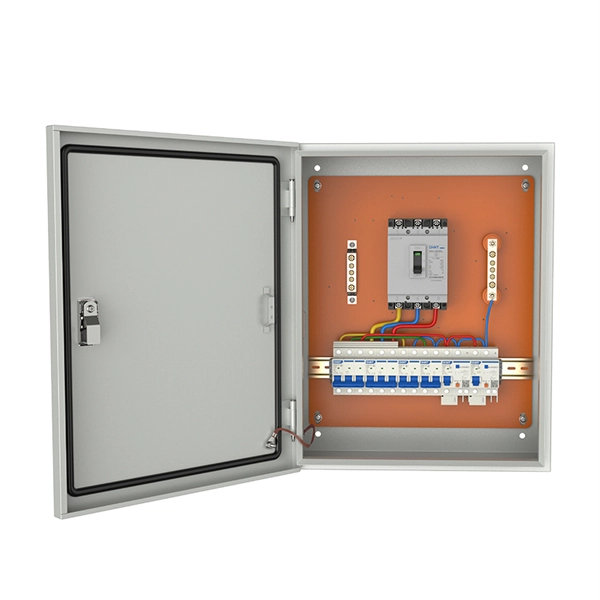
Optical module component coupling
The main functionality is to provide a coupling between electro-optical components (e. laser diodes, photodiodes or silicon photonic chips) and optical fiber. Thin-film filter and PLC based AWG for multiplexing, a full suite of components for optical amplification use...
[PDF Version]
-
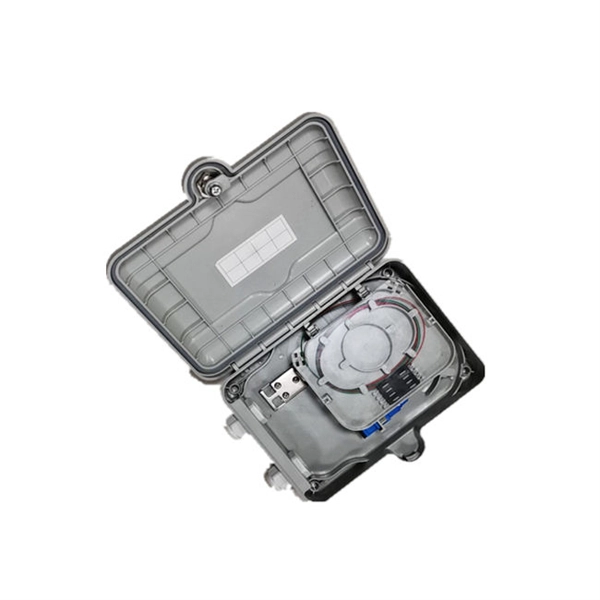
Principle of Optical Cable Fault Tracker
An OTDR is an optoelectronic instrument used to characterize optical fibers by emitting light pulses and analyzing the backscattered signals. Optical fiber cables. The Optical Time Domain Reflectometer (OTDR) is a powerful tool widely used in the telecommunications and data...
-
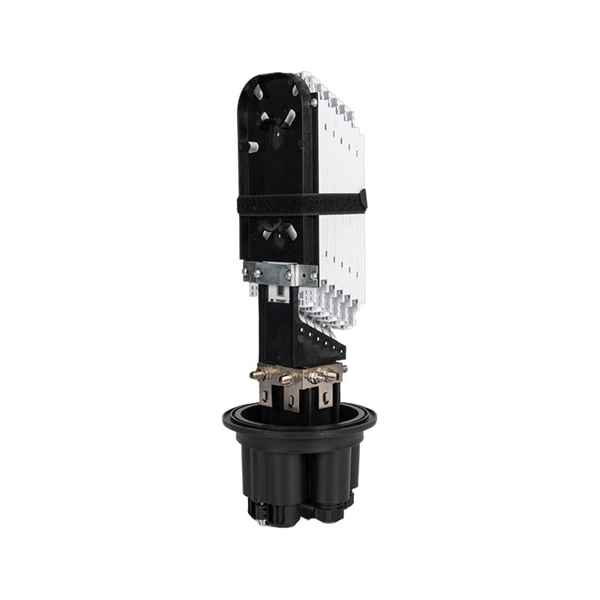
What type of electronic component does an optical module belong to
An optical module is a typically hot-pluggable optical transceiver used in high-bandwidth data communications applications. Optical modules typically have an electrical interface on the side that connects to the inside of the system and an optical interface on the side that...
-
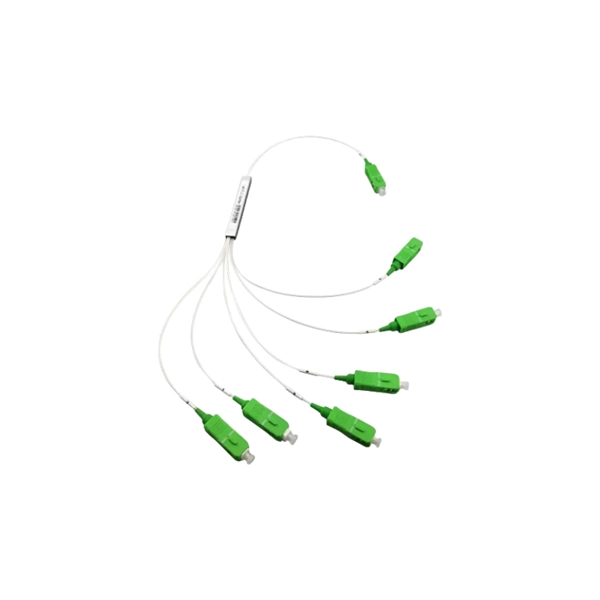
Huawei 10 Gigabit Optical Module Startup
10GE SFP+ Optical Modules Single-fiber bidirectional (BIDI) optical modules must be used in pairs. For example, SFP-10G-BXU1 must be used with SFP-10G-BXD1.
[PDF Version]
-
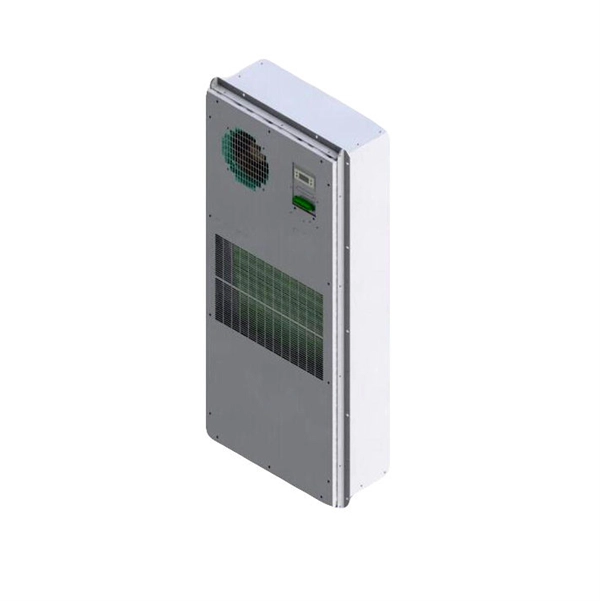
Optical Module Receiver Component
Understanding Optical Modules: Working Principles, Explore the working principles, structures, and performance metrics of optical modules, essential compon.
[PDF Version]
-
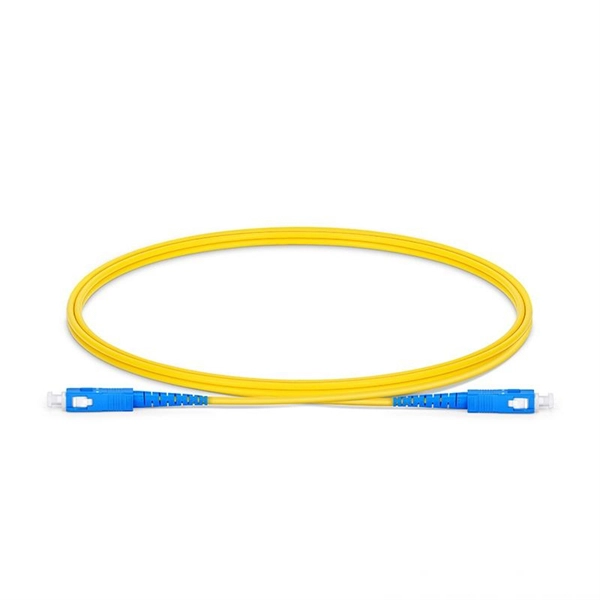
San Marino CE Certified AOC Active Optical Cable QSFP
Our 40G QSFP+ Active Optical Cable delivers high-bandwidth connectivity for data centers and HPC environments. Supporting multi-rate operation from 2. 2 Gbps with lengths from 1m to 100m over OM3 multimode fiber, this AOC features integrated DDM/DOM for comprehensive. The...
[PDF Version]
-
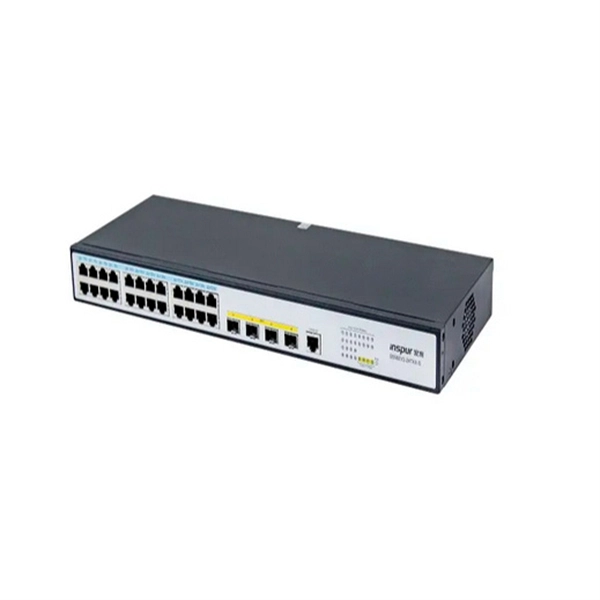
Measures for laying optical cables in trenches
The document outlines steps like obtaining permissions, excavating trenches, laying ducts, providing additional protection, backfilling trenches, and performing optical tests after installation. It describes excavating trenches to a nominal depth of 165cm and laying...
[PDF Version]