
How can one identify a broken fiber optic cable?
To identify a broken fiber optic cable, start by performing a visual inspection for any physical signs of damage, such as bends, cracks, or breaks...
Search optical fiber, connectivity, cable management and network infrastructure references.
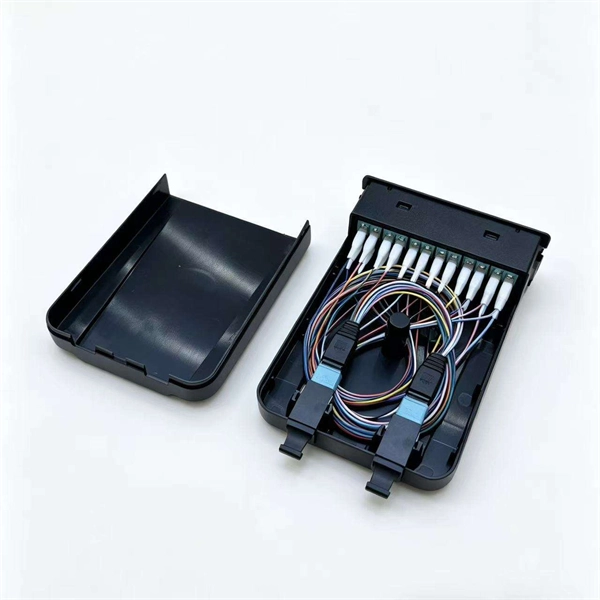
Fiber optic testing tools are essential for ensuring network reliability, performance, and proper installation. Devices such as Optical Power Meters, OTDRs, and Visual Fault Locators help technicians measure signal loss, locate faults, and verify fiber integrity. The simplest...
[PDF Version]
Power cycling or restarting your ONT (Optical Network Terminal) often resolves simple troubleshooting internet issues. Use the table below to see expert-recommended first steps for fiber troubleshooting. The most common problems usually fall into four categories: Physical...
[PDF Version]To identify a broken fiber optic cable, start by performing a visual inspection for any physical signs of damage, such as bends, cracks, or breaks...
There are several methods to test fiber optic cables without a tester. One method is using a visual fault locator (VFL), as mentioned earlier, to v...
Intermittent fiber optic connections can be caused by a variety of factors, including: Poorly terminated connectors or splices that result in unsta...
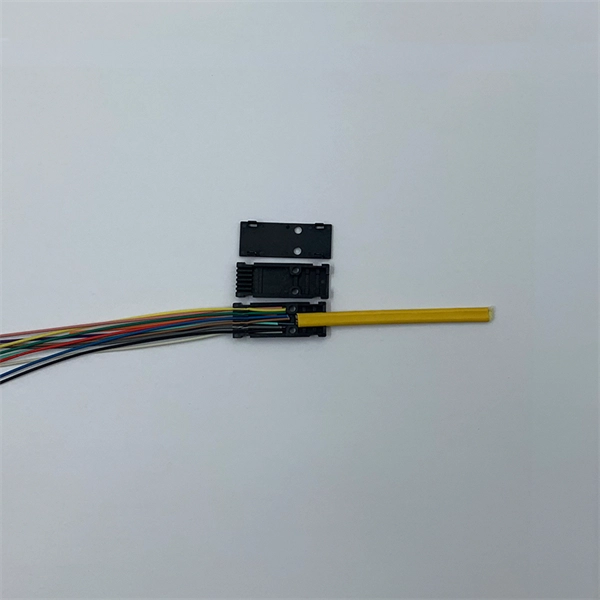
Fiber Optic Troubleshooting: Expert Guide for Common IssuesTroubleshoot fiber optic issues like a pro with our expert guide. Resolve common problems and en.
[PDF Version]To identify a broken fiber optic cable, start by performing a visual inspection for any physical signs of damage, such as bends, cracks, or breaks...
There are several methods to test fiber optic cables without a tester. One method is using a visual fault locator (VFL), as mentioned earlier, to v...
Intermittent fiber optic connections can be caused by a variety of factors, including: Poorly terminated connectors or splices that result in unsta...
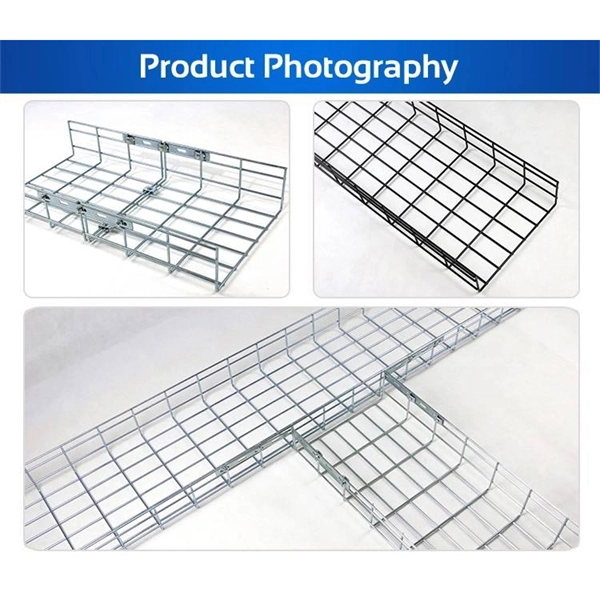
Fiber Optic Troubleshooting Guide: Problems, ToolsLearn how to troubleshoot fiber optic cables with common problems, a step-by-step process, essential tool.
[PDF Version]To identify a broken fiber optic cable, start by performing a visual inspection for any physical signs of damage, such as bends, cracks, or breaks...
There are several methods to test fiber optic cables without a tester. One method is using a visual fault locator (VFL), as mentioned earlier, to v...
Intermittent fiber optic connections can be caused by a variety of factors, including: Poorly terminated connectors or splices that result in unsta...
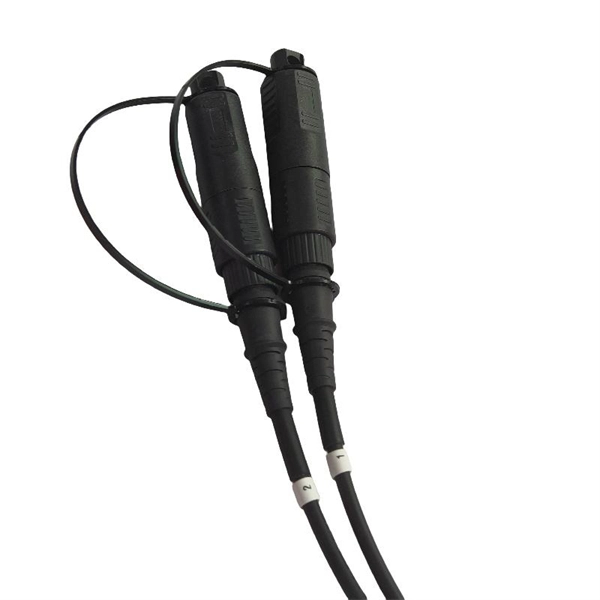
Fiber-optic distributed acoustic sensing (DAS) promises great application prospects in smart grids due to its superior capabilities, including resistance to electromagnetic interference, long-distance coverage, high sensitivity and real-time monitoring. This highly sensitive...
[PDF Version]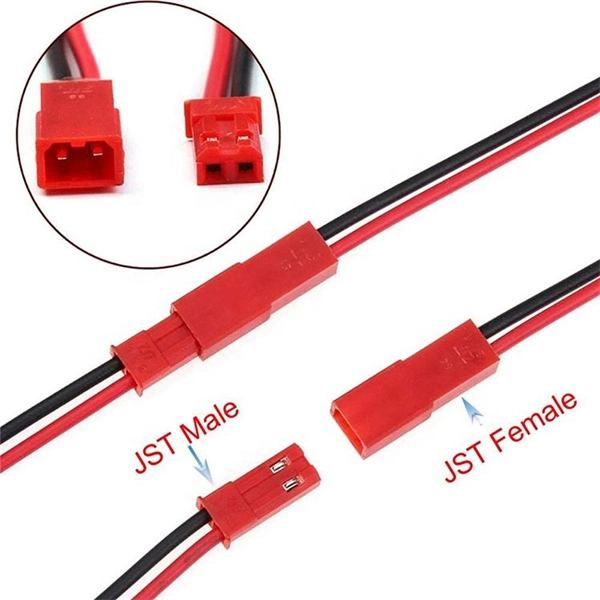
Recommended technical requirements are detailed by reference to IEC 60794-3-11 on outdoor optical fibre cables for duct, directly buried, and lashed aerial applications. Changes and additions to these requirements suitable to the directly buried cable application are also...
[PDF Version]
For single-mode fiber (the type used in long-distance and high-speed networks), typical values under normal conditions are about 0. Under ideal conditions, those numbers drop to around 0. 3-D standard lists specific limits for multimode and single-mode fibres. Q: What is...
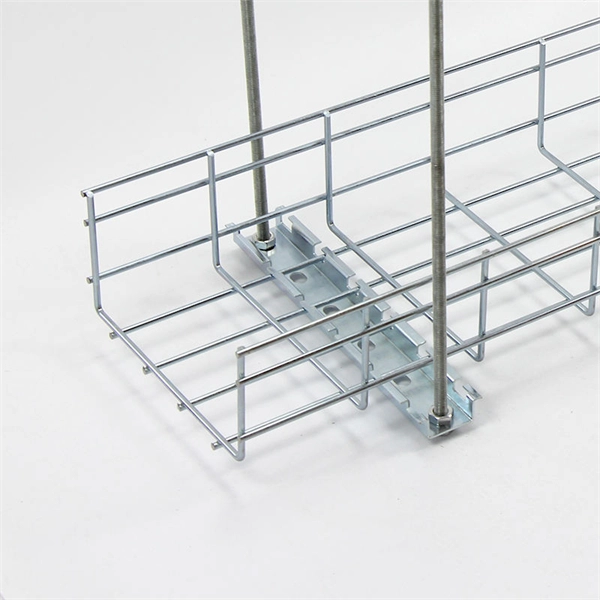
The Fiber Optic Patch Panels (ODFs) are connector panels installed into 19“ or 21“ rack cabinets in data centers and server rooms. In the ODFs, fibers are terminated with pigtails and SC, LC. This 2026 expert guide explains the functions, placement, structure, and application...
[PDF Version]Share the fiber interfaces, termination capacity, cable route and evidence required for handover.