
Technical notes
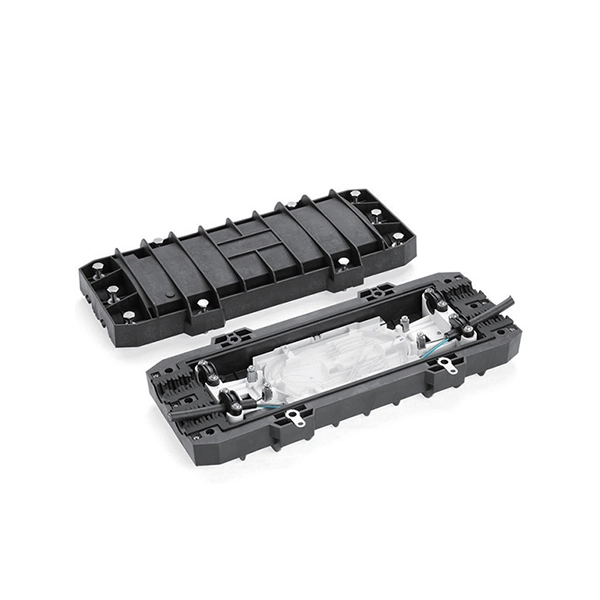
Which has better development prospects: optical modules or RF chips
At present, driven by AI and computing infrastructure expansion, high-speed optical modules are growing at a faster pace. However, from a long-term perspective, RF chips rely on a
RF and Optical Communications: A Comparison of High Data Rate
As NASA proceeds with plans for increased science data return and higher data transfer capacity for science missions, both RF and optical communications are viable candidates for significantly higher
Radio over fiber
Radio over fiber (RoF) or RF over fiber (RFoF) refers to a technology whereby light is modulated by a radio frequency signal and transmitted over an optical fiber link. Main technical advantages of using fiber optical links are lower transmission losses and reduced sensitivity to noise and electromagnetic interference compared to all-electrical signal transmission. Applications range from the transmission of mobile radio signals (3G, 4G, 5G and WiFi) and the transmiss
Optical Transceiver vs. Fiber Optic Module: What''s the Difference?
A transceiver is the basic conversion engine (electrical ⇄ optical); an optical/fiber-optic module is a broader packaging term that may simply denote a pluggable transceiver or a more capable assembly
Understanding spectrum: Radio frequency, optical fiber
This article attempts to provide an understanding of the electromagnetic spectrum with a focus on radio frequency (RF), optical fibers,
RF Over Fiber: A New Era in Data Center Efficiency
“Customers love fiber. But what they hate is the photonics,” says Welch. “Electronics have been demonstrated to be inherently more reliable than
(PDF) Radio Frequency versus Free Space Optical Communication
In the landscape of modern communication technologies, Radio Frequency (RF) and Free Space Optics (FSO) are two prominent methods employed for signal transmission.
Radio and Microwave Over Fiber
RF over fiber converts radio or microwave signals into optical form for high-bandwidth transmission over long distances through fibers.
The Most Comprehensive Guide Of Optical Modules
Explore the ultimate guide to optical modules. Learn types, functions, performance metrics & how to choose the right module for your fiber network.
Physical layer
In the seven-layer OSI model of computer networking, the physical layer or layer 1 is the first and lowest layer: the layer most closely associated with the physical
Demystifying Optical Transceivers: Your Top FAQs
FAQ Summary of optical modules: answers on types, compatibility, design, troubleshooting, and glossary for 2025 network upgrades and maintenance.
Understanding Optical Modules: Working Principles,
Explore the working principles, structures, and performance metrics of optical modules, essential components of optical fiber communication
What Is an SFP Module? Complete Guide
SFP modules, or Small Form-factor Pluggable modules, are essentially the workhorses of modern networking. They facilitate data
Everything You Need to Know About Optical Modules
Choosing the Right Optical Module Choosing a suitable optical module for specific applications enhances network performance, reduces network
SFP Optical Module Selection Guide for 2025: Key
Explore our comprehensive SFP optical module selection guide for 2025. Learn about crucial factors like data rate, distance, fiber type, and
The Application of Optical Modules in AI Technology
Optical modules boost AI technology by enabling high-speed data transfer, reducing latency, and improving energy efficiency in modern AI systems.
How to Choose SFP Module | FIBEYE
Price Single-mode modules are typically more expensive than multi-mode modules because they use more components and more expensive laser light sources.
What Is An Optical Module?
An optical module converts electrical signals to light for fast, reliable data transfer in networks, essential for cloud computing, telecom, and data centers.
Related Video Reference
This video was associated with the source search result. Verify technical details against current product documentation and project requirements.