
Technical notes
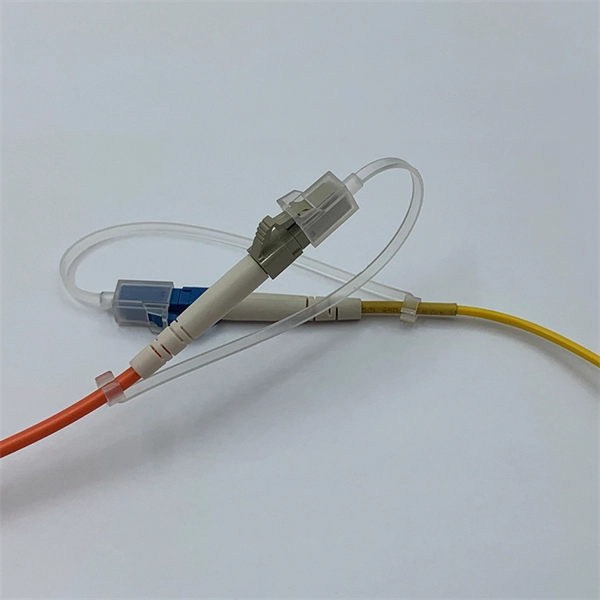
Why LC Interfaces Dominate Modern Enterprise Networks
LC jumpers and transceivers have become the standard interface in SFP, SFP+, QSFP, and OSFP modules. Their compatibility with duplex and uniboot structures further enhances airflow and cable
Will the lc interface become mainstream
LC has become the mainstream connector standard in modern data centers and enterprise networks. In BiDi modules, simplex LC offers several key benefits: As a result, LC has become the industry''s
Why LC Connectors Became the First Choice for Data Center
Why did LC become the connector of choice, and what does this mean for your cabling infrastructure? Let''s trace the evolution from the early FC and SC connectors to today''s LC standard,
10G BiDi SFP+ Optical Module Interface Comparison: SC Vs LC
In BiDi optical modules, SC (Subscriber Connector) and LC (Lucent Connector) are common fiber interface types. While they share the same functionality, they differ significantly in their
SC vs. LC vs. MPO: Performance Comparison of Mainstream
Fiber optic connectors are the backbone of high-speed data transmission, but choosing the right interface—SC, LC, or MPO—can make or break your network''s efficiency. In this head-to
MPO vs LC Connectors: 2026 Architecture Guide
The decision between MPO and LC connectors is not a matter of one being inherently superior; rather, it is about architectural alignment. LC connectors remain the gold standard for low
Mastering LC Fiber Connectors: A Practical Guide
This guide walks through what “LC” means, the traits that make it pervasive, and the concrete LC-based solutions you''ll specify, buy, or install — from jumpers and uniboot cords to adapters, attenuators,
10G BiDi SFP+ Optical Module Interface Comparison: SC vs LC
With the increasing demand for high-speed optical communications in data centers, enterprise networks, and carrier networks, 10G BiDi SFP+ optical modules have become a
10G BiDi SFP+ Transceivers: SC vs. LC Interface Comparison
Learn the key differences between SC and LC interfaces in 10G BiDi SFP+ transceivers, including structure, space efficiency, and ideal deployment scenarios for data centers, enterprise,
LC Fiber Connectors: What They Are and Why You Probably
Small, efficient, and nearly ubiquitous, LC connectors have become the de facto standard for high-density fiber applications. But if you''ve arrived here wondering whether it''s worth replacing a
The Past, Present And Future Of Brain-Computer Interfaces
Brain-computer interfaces are technologies that enable humans to interact directly with digital devices and the outside world using their minds. BCI is not one product or one technology.
Unlocking the Potential of LC Connectors in Fiber Optic
LC connectors, with their enhanced performance and reliability, are becoming critical components of medical infrastructure. Broadcasting: In the
LC Connector Explained
LC fiber connectors offer pull-proof reliability, and a 1.25mm ferrule diameter in a compact, cost-effective design, half the size of SC/FC/ST connectors.
BCIs in 2025: Trials, Progress, and Challenges
What brain-computer interfaces can and can''t do in 2025, based on recent clinical trials, company updates, and use cases.
LC Fiber Connectors: What They Are and Why You Probably
If you''ve spent any time working with fiber optic networking in data centers, telecom closets, or enterprise switching environments you''ve almost certainly encountered an LC fiber connector. Small,
Why LC Connectors Became the First Choice for Data
With a 1.25mm ferrule diameter—half the size of traditional SC/FC connectors—LC enables double the port density in the same rack space. This
LC Connector, SC Connector & Other Types. What''s the Difference? |
The key features of the LC connector are: Ferrule size and material: 1.5 mm, ceramic Interface standard: IEC 61754-13 Mating cycles: 500 The LC connector is one of the most cost-effective and user
How LC Connectors Work: A Comprehensive Technical Guide
LC connectors play an integral yet often overlooked role in enabling high-speed fiber optic communications. This guide dives into the engineering behind these compact connectors, their